
7:30–8:00 a.m.: Twitter (X) and Threads
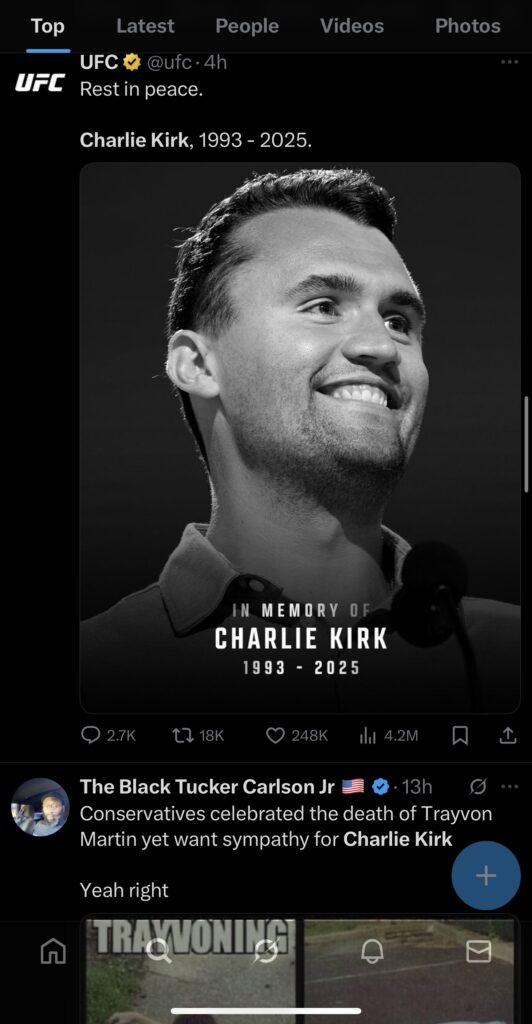
My day started on social media, scrolling through headlines about the death of commentator Charlie Kirk and the tragic stabbing of a Ukrainian refugee. Normally, I keep quiet, but I engaged more than usual, especially on Threads. On Twitter, I use an anonymous account with no real name, photo, or personal details, which feels safer for political debates. Still, Twitter logs my IP address, linking activity back to me. Threads is different. I’m more careful about what I post because it connects to Instagram and exposes my true identity. This contrast shows how platforms influence not only what I say but also how vulnerable I feel.
9:00–10:00 a.m.: Microsoft Teams
At work, I joined our weekly Teams meeting. Microsoft makes it seamless to switch devices because it ties everything to my Azure account. That account contains my name, phone number, job title, and more. Even authentication goes through my phone’s facial recognition. While convenient, this shows the deep integration of my personal and professional data with Microsoft systems.
10:30 a.m.–12:00 p.m.: Google Chrome, Dropbox, Instagram
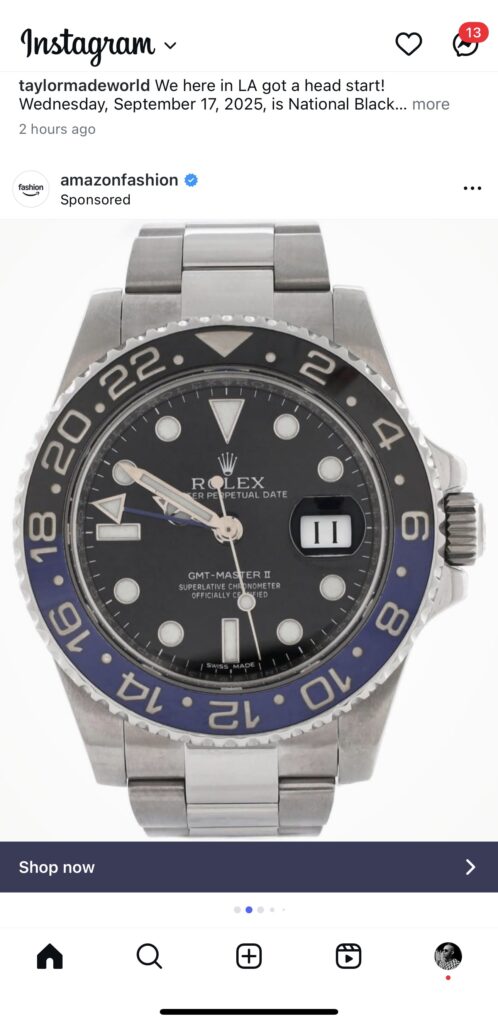
Google probably knows me better than anyone. Chrome stores my passwords, credit card info, and browsing habits. A quick Rolex search led to cookie permissions, which I absentmindedly accepted. Minutes later, Instagram bombarded me with Rolex ads. As the New York Times warned, trackers follow us across apps and devices, learning exactly how to push content that keeps us hooked.
1:30–2:15 p.m.: Zoom
A Zoom meeting with Beverly Hills officials reminded me that even professional tools collect massive data. My Zoom is linked to Outlook and LinkedIn, and meetings can be recorded or AI-summarized. Like most people, I’ve never read the user agreements, so I have no idea who has access to that data.
4:45 p.m.: Amazon
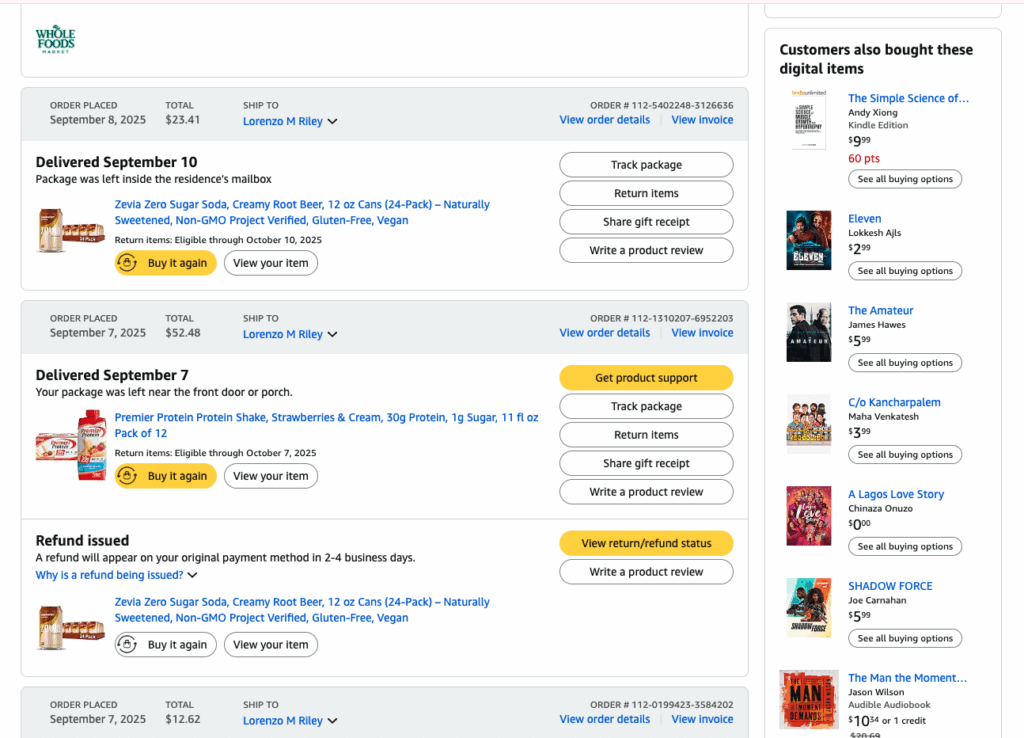
Shopping on Amazon is second nature. Amazon stores my address, payment methods, and purchase history, and Alexa nudges me with reminders. The ease is addictive, but it also means the company has a complete profile of my household habits.
7:00 p.m.: Audible and Apple Watch Fitness Apps
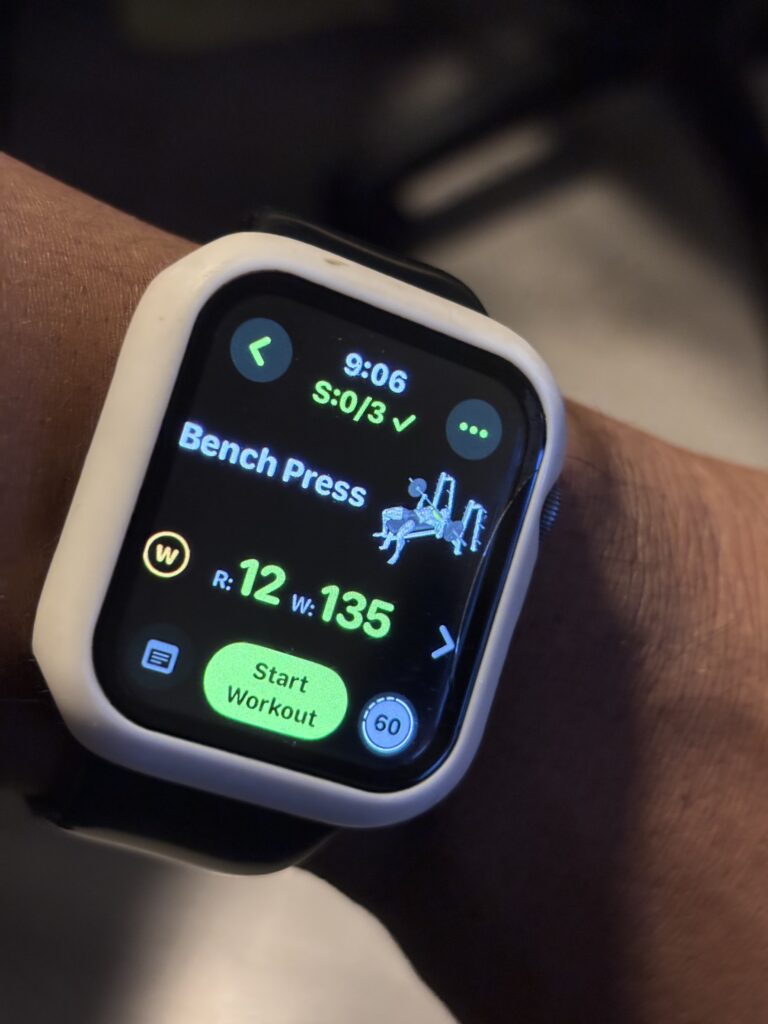
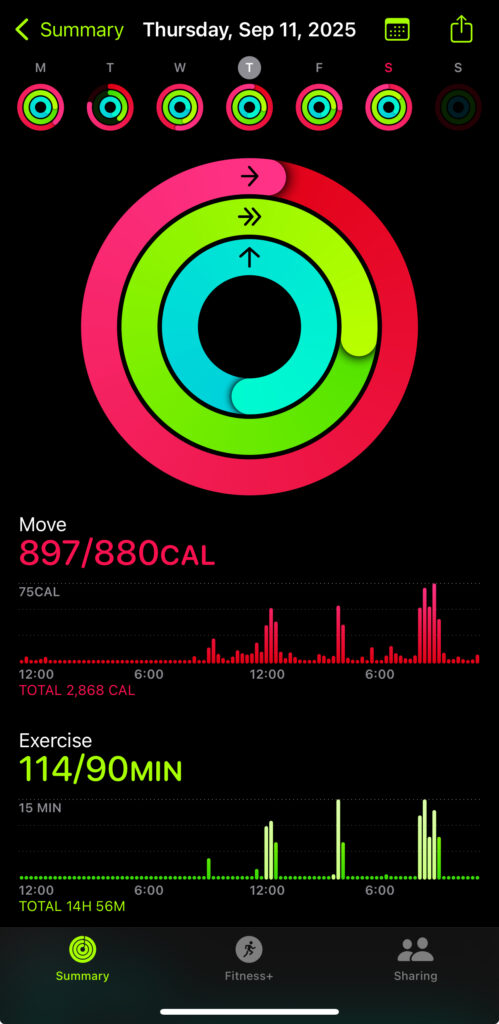
While at the gym, I listened to my audiobook on Audible, which kept suggesting new titles based on my past choices, another reminder of how seamlessly Amazon learns my preferences. At the same time, my Apple Watch was collecting my workout data, including calories burned, heart rate, and exercise statistics, which was all synced to my Apple Health app and account. Unlike a password, this kind of biometric data can’t simply be changed, which makes it feel especially vulnerable.
9:00 p.m.: YouTube and Capcut
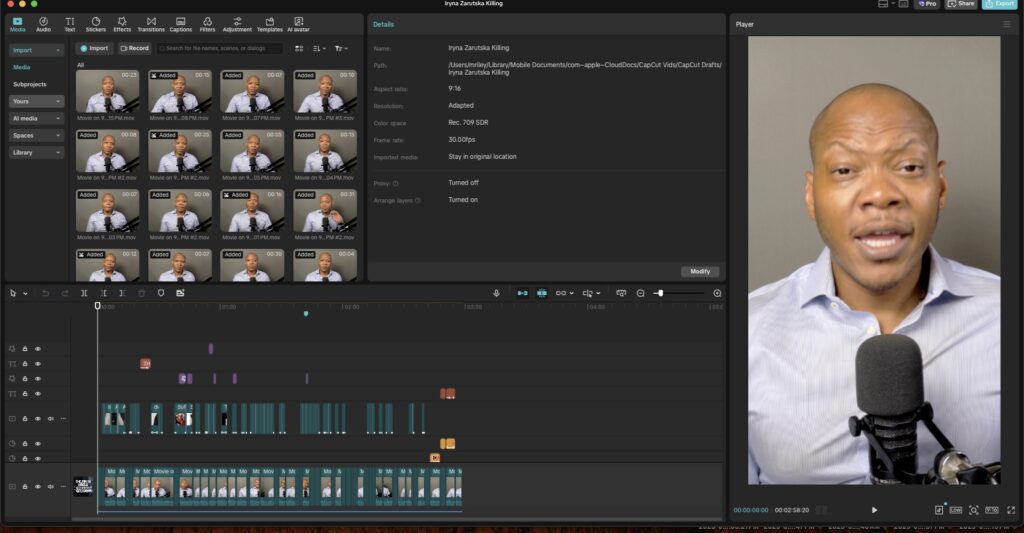
To unwind, I watched YouTube, where the algorithm already knows my tastes from endless Google searches. Later, I edited videos for Black Excellence using Capcut and Canva. Both platforms store my creative files, though I know little about how they handle user data.
Reflection
Looking back, it’s shocking how every platform extracts something, whether it be identity, behavior, or health metrics. Zuboff’s idea of “surveillance capitalism” is evident in my daily routine, where the trade-off for convenience is constant data collection. As the NYT piece warns, most tracking happens invisibly, leaving us little choice but to conform. I may feel like I control what I share, but the reality is these systems already know me better than I know myself.