All That Glitters Isn’t Gold: Using Lateral Reading to Evaluate Online Information

Most of us have heard the old saying,“all that glitters isn’t gold.” In today’s digital world, that lesson may be more important than ever. Social media platforms are filled with professional-looking videos, polished graphics, attention-grabbing headlines, and content creators who sound confident and authoritative. However, appearance alone does not tell us whether information is true.

All That Glitters Isn’t Gold: Using Lateral Reading to Evaluate Online Information Read More »
X, YouTube and Fighting Misinformation: Two Different Approaches to the Same Issue

One of the recurring themes in this course is that misinformation is not just a user problem. Platforms themselves are important in determining the kind of information people are exposed to, how it spreads and what happens when false information begins to circulate. For this assignment on evaluating current platforms’ efforts to reduce misinformation, I

X, YouTube and Fighting Misinformation: Two Different Approaches to the Same Issue Read More »

screenshot 2026 09 13 at 12.41.31 pm

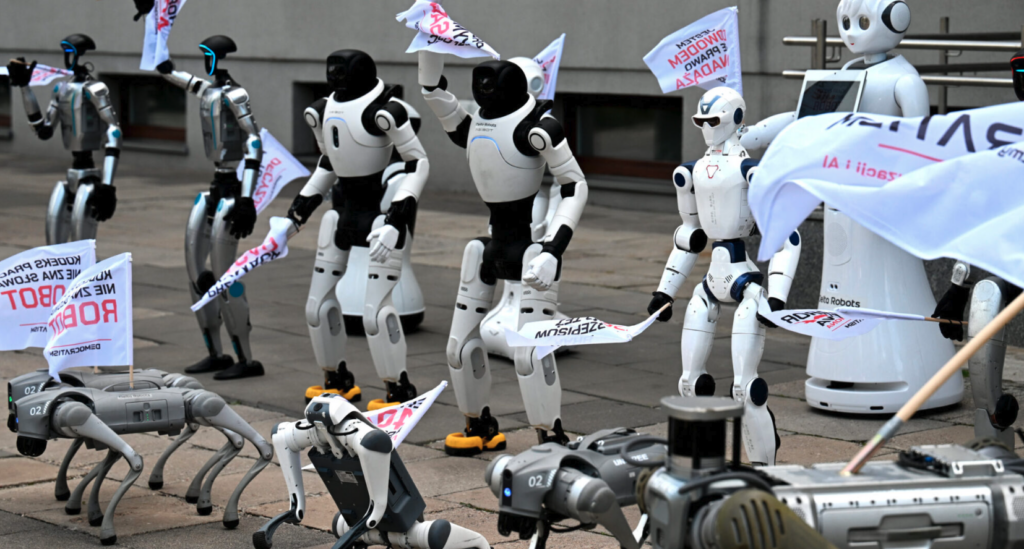
Are Robots Really Protesting in Poland? Using the SIFT Method to Investigate a Viral Claim

I think you either need to have professional-level verification skills or a willingness to slow down and investigate to be able to identify misinformation in the media environment today. Recently, I came across an intriguing post on X from the account @DailyLoud claiming that AI-powered robots were protesting in Warsaw, Poland, against artificial intelligence replacing

Are Robots Really Protesting in Poland? Using the SIFT Method to Investigate a Viral Claim Read More »

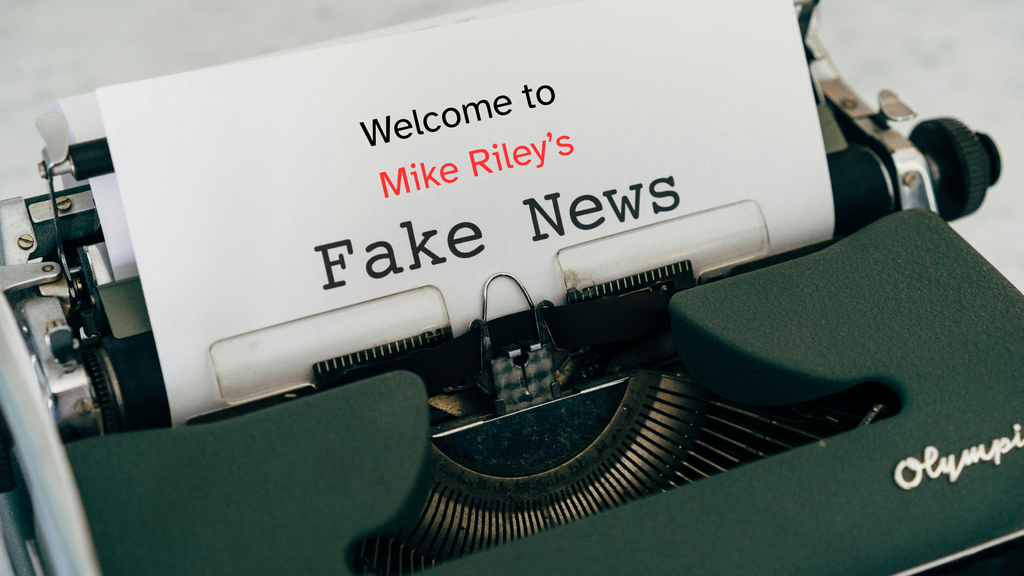
Vintage typewriter holding a sheet of paper that reads “Welcome to Mike Riley's Fake News.”

Evaluating Misinformation Education Tools

I truly believe that in the near future, educators and parents will have a responsibility to teach media literacy, especially how to evaluate misinformation. The misinformation education tools we explored in Module 3 could help build that foundation. Going through these exercises taught me something valuable: recognizing misinformation is one thing, but understanding how someone

Evaluating Misinformation Education Tools Read More »

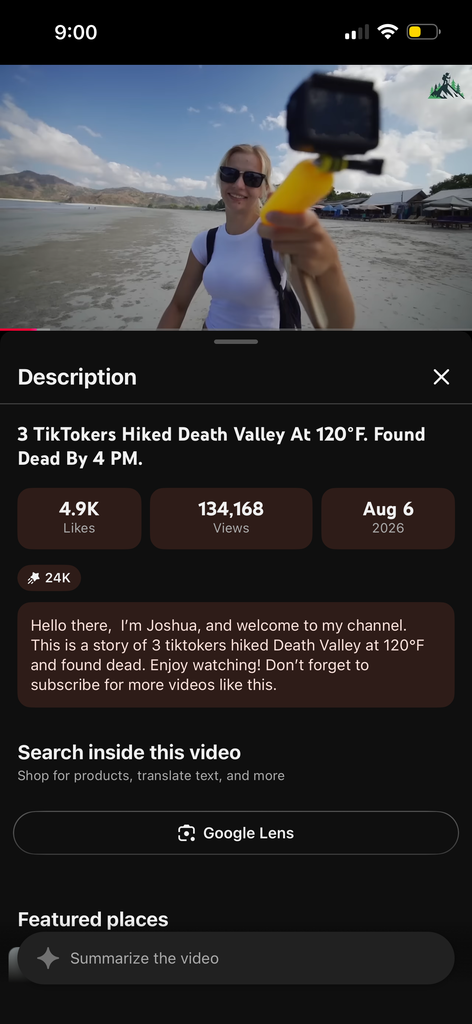
YouTube thumbnail titled “3 TikTokers Hiked Death Valley At 120°F. Found Dead By 4 PM,” showing three smiling women in a desert setting.

24-Hour Media Diet Revisited: What If It’s True?

Doing an experiment such as a 24-hour media diet on oneself can be a revealing process. This wasn’t my first media diet; I completed a similar assignment last semester, although its purpose was different. Last time, I focused primarily on how much media I consumed and what types. This time, I paid closer attention to

24-Hour Media Diet Revisited: What If It’s True? Read More »

Who Owns Our Conversations? Probably Not Us.

Have you ever opened Instagram or Facebook and just sat there for a second and tought…why am I seeing this? No, seriously. Not in a casual way, but in a real, almost unsettling way. It’s as if something changed in the background and your entire feed now feels slightly different. That’s not you being paranoid.

Who Owns Our Conversations? Probably Not Us. Read More »

 From Wikipedia Consumer to Wikipedia Contributor

I actually got to leave my mark on the internet, in a good way, by contributing to a Wikipedia article. Before this assignment, I never gave too much thought about how Wikipedia actually operates behind the scenes. Like most people, I’ve always used it as a quick source of information, but I never considered the

 From Wikipedia Consumer to Wikipedia Contributor Read More »

Working with AI: Helpful, But Not Perfect

For this assignment, I used ChatGPT to generate a short blog post about political apathy in the United States. At first glance, the response actually seemed pretty solid. It was structured well, stayed on topic, and covered some of the main reasons people don’t engage with politics, like distrust in government, lack of education, and

Working with AI: Helpful, But Not Perfect Read More »

How Algorithms and Wikipedia Shape What We Believe Online

In this video, I explore how both algorithms and collaborative platforms like Wikipedia shape the way we experience information online. One of the biggest things I realized while working on this assignment is that the internet isn’t as neutral or random as it feels. A lot of what we see is actually being influenced behind

How Algorithms and Wikipedia Shape What We Believe Online Read More »

Human vs Machine: What It Means to Create in the Age of AI

As I’ve been working through this course, one of the biggest questions that keeps coming up is this: who is actually the creator when AI is involved? To explore that question, I decided to look at creativity from three different angles using images. First, I included a stock image of a woman painting on a

Human vs Machine: What It Means to Create in the Age of AI Read More »