
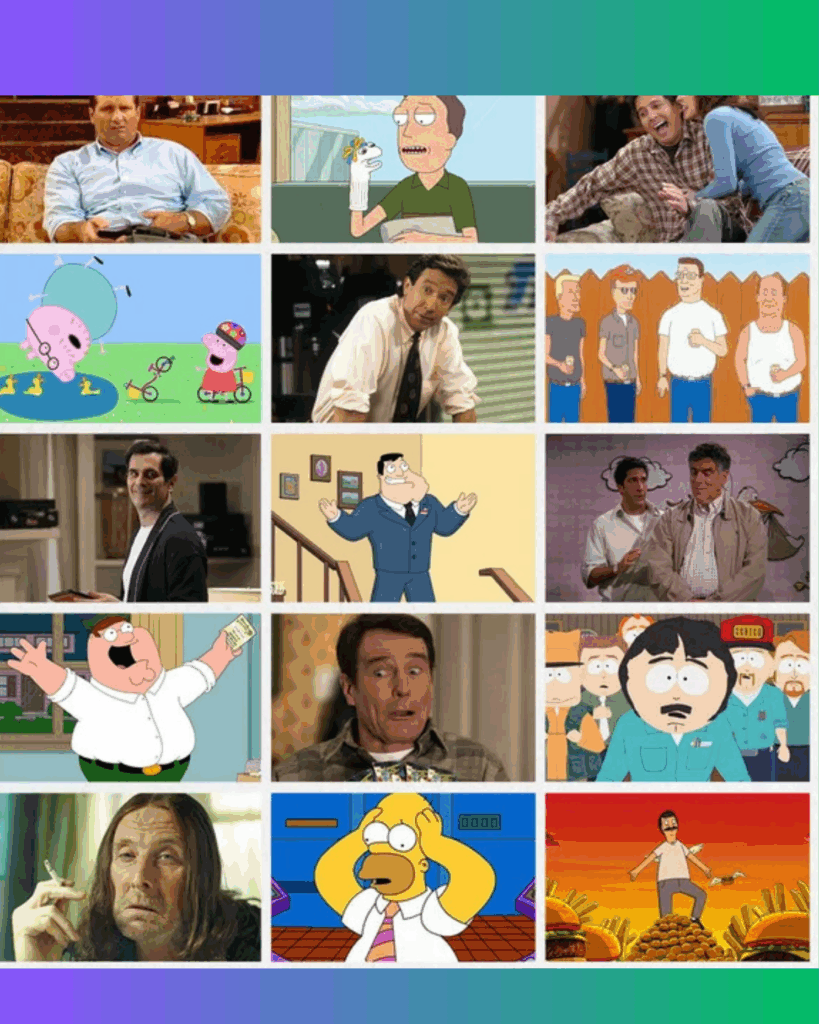
We live in a world saturated with media messages, and whether we realize it or not, those messages shape how we see ourselves and others. Most of the time, when we talk about negative portrayals of men, the focus tends to land on toxic masculinity, the stoic, aggressive, hypersexual archetype that’s been criticized for years. But there’s another, quieter stereotype that’s just as damaging: the “incompetent man” trope. You know the one, the bumbling dad who can’t change a diaper, the clueless husband who burns dinner, or the boyfriend who can’t function without his girlfriend reminding him what day it is.
I first started noticing this pattern a few years ago when I came across Tomi Lahren’s “men are trash” rant on social media.
👉 Watch it here.

Her comments targeted men (especially gamers), saying they were lazy and immature, basically painting them as losers who live in their mom’s basement. I remember shaking my head at how familiar that image sounded because I’d seen it a hundred times before in sitcoms, commercials, and even memes. As someone who actually enjoys gaming, that stereotype hit a nerve. It made me think about how these repeated images of “clueless men” have become a running joke that’s now baked into the culture.
When Humor Masks Bias
A few weeks after seeing that clip, I stumbled upon a Volkswagen Tiguan commercial that made me roll my eyes for similar reasons.
👉 Watch the ad here.
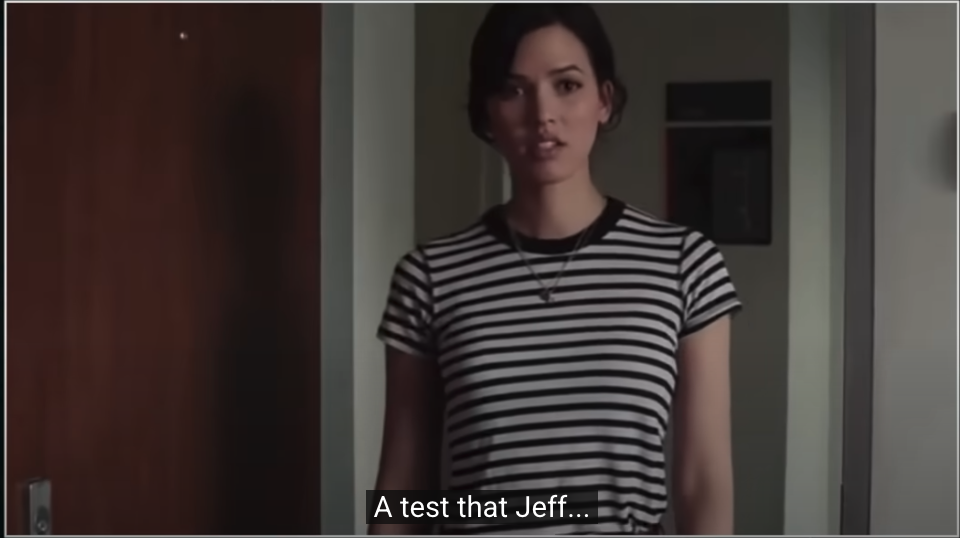
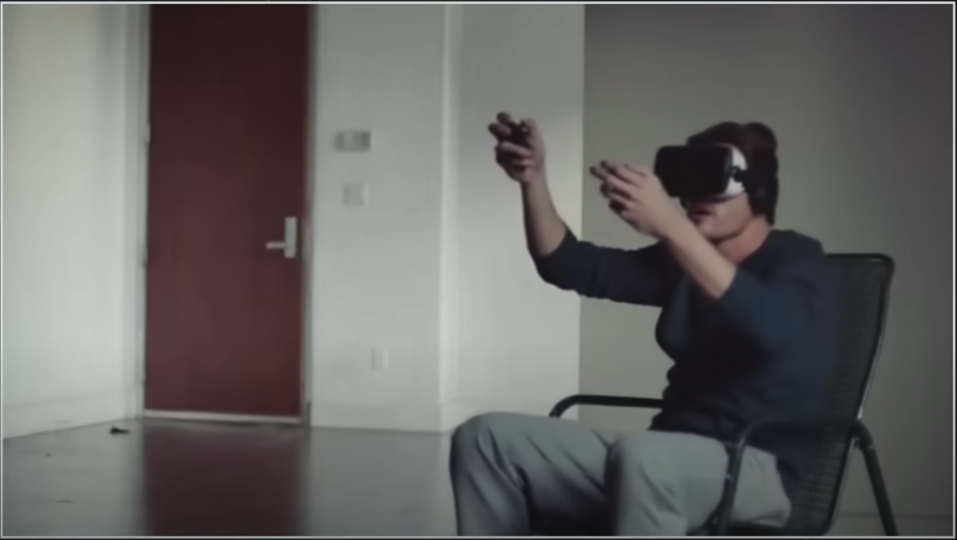
The commercial shows a woman preparing to move in with her boyfriend, only to realize he’s more interested in his virtual-reality headset than their relationship. The message? Her boyfriend failed the “real-life” test, but at least her car didn’t. What’s framed as lighthearted humor actually reinforces a pattern we’ve seen countless times: men depicted as emotionally absent, disconnected, and incapable of adult partnership.
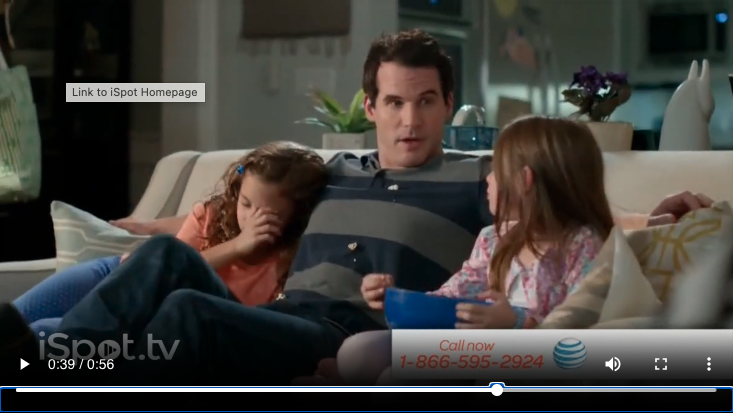
This trope doesn’t stop at boyfriends; it extends to fathers too. In the AT&T “Piece of Cake” commercial, a dad waves confidently to his wife as she heads out on a business trip.
👉 Watch it here.
Within seconds, chaos erupts, food spills, kids run wild, and the dad turns to smart-home technology to survive. The ad’s humor rests on his incompetence: the well-meaning but hapless father who can’t function without mom. It’s the same setup we’ve seen in countless sitcoms and ads, from Homer Simpson to every “dad who can’t do laundry” joke.
Looking at It Through a Media Literacy Lens
When I step back and look at this through the lens of media literacy, I find myself asking these core questions:
- Who created this? Usually ad agencies or writers who assume this “bumbling man” humor appeals to audiences, especially women.
- Whose perspective is missing? Competent, caring, emotionally aware men who actually manage home life just fine.
- What’s implied? That men can’t handle domestic or emotional responsibilities.
- What’s overt? The humor that masks the bias.
This fits right in with what the Geena Davis Institute’s study on masculinity in media found: even when men appear in leading roles, they’re far less likely to be shown as nurturing, empathetic, or competent in caregiving. Instead, they’re depicted as risk-takers, loners, or fools.
When the Joke Stops Being Funny
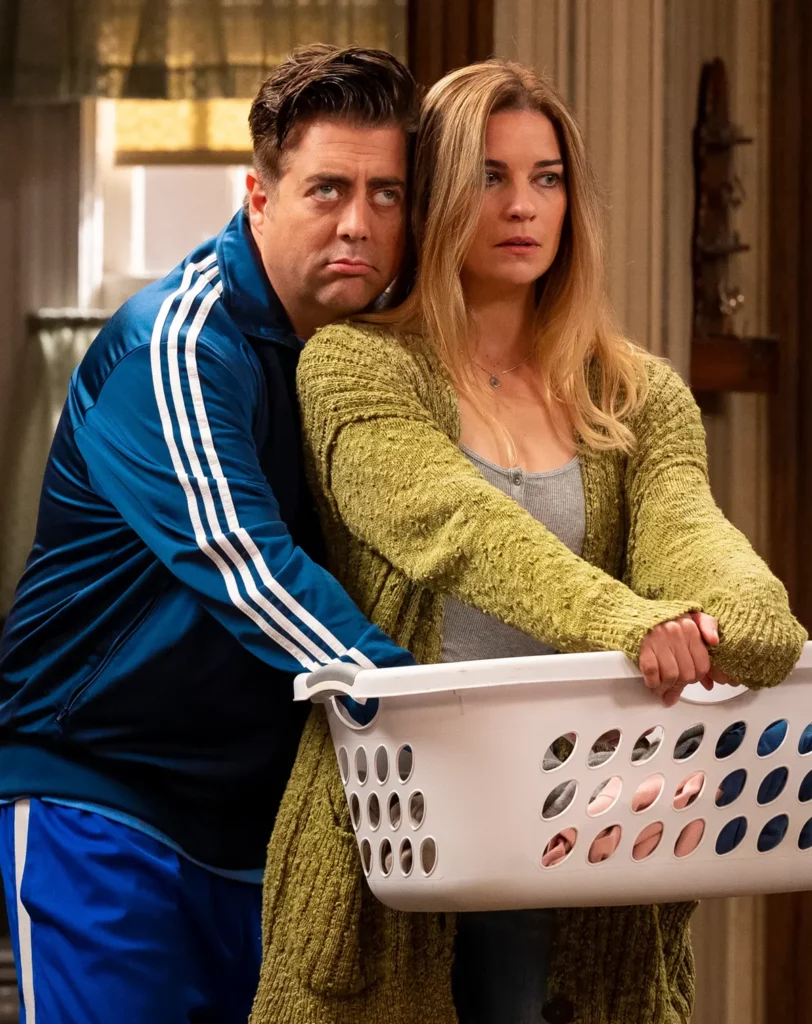
Sure, humor makes these ads entertaining, but the message piles up over time. It sets a low bar for men and reinforces the idea that women are the only capable adults in the room. That affects both genders. For men, it can create shame or pressure to live down to that stereotype. For women, it reinforces the belief that they have to “fix” or “manage” their partners. Interestingly, this conversation is starting to get mainstream attention. Earlier this year, Bill Maher devoted one of his “New Rules” segments to the topic, calling it “Make Dads Great Again.”
👉 Read about it here.
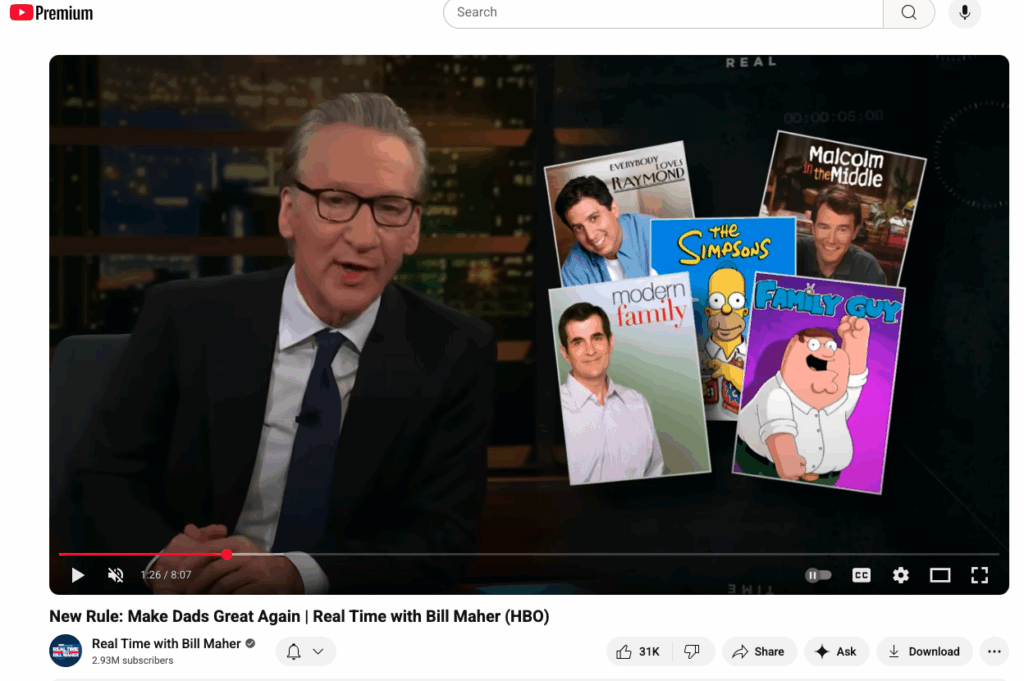
Maher pushed back against what he called “the cultural habit of mocking fathers,” especially around Father’s Day, pointing out how media often portrays dads as lovable idiots. Whether you agree with Maher or not, it shows that people are starting to notice this isn’t just about gender roles; it’s about how men are being caricatured in modern storytelling.
Why It Matters
When you strip it all down, these portrayals limit men to one-dimensional punchlines. They ignore the real complexity of men’s lives and the fathers who show up, the partners who care deeply, and the men who are emotionally intelligent and responsible.
True inclusion means letting men be full people, not just the setup for a joke. Because at the end of the day, the way we see people in media has a funny way of shaping what we expect from them in real life, and that’s no laughing matter.