

Free Expression, Cultural Voice, and the Struggle to Be Heard
The societal value of free expression is so fundamental that even ancient civilizations understood its importance. Long before social media platforms or digital networks, thinkers in ancient Greece debated the meaning and purpose of speech, distinguishing between isegoria, the equal right to speak in public, and parrhesia, the act of speaking truth frankly, even when doing so involved risk. Together, these concepts help frame why free expression remains indispensable today, not only as a public good but also as a deeply personal and cultural value.
On a societal level, free expression allows ideas to circulate, challenge authority, and spark transformation. It is difficult to imagine movements like the Enlightenment, the Reformation, or modern civil rights struggles without the freedom to express dissenting ideas through speech, writing, music, or art (Bejan, 2019). At the same time, free expression is never without risk. It can be used to misinform, offend, or harm, yet that tension is the price society pays to preserve a freedom with intrinsic value. In this sense, free expression is both public and personal, an inalienable right that shapes collective progress while grounding individual autonomy.
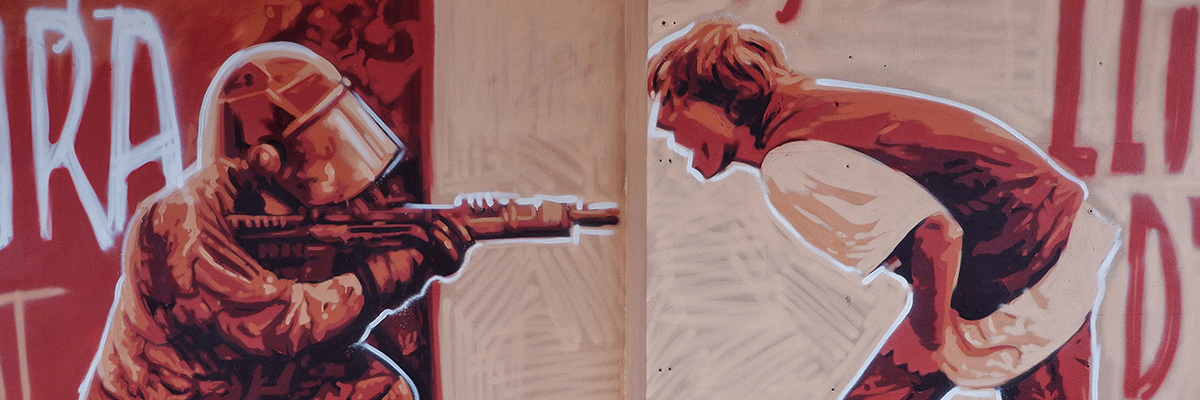
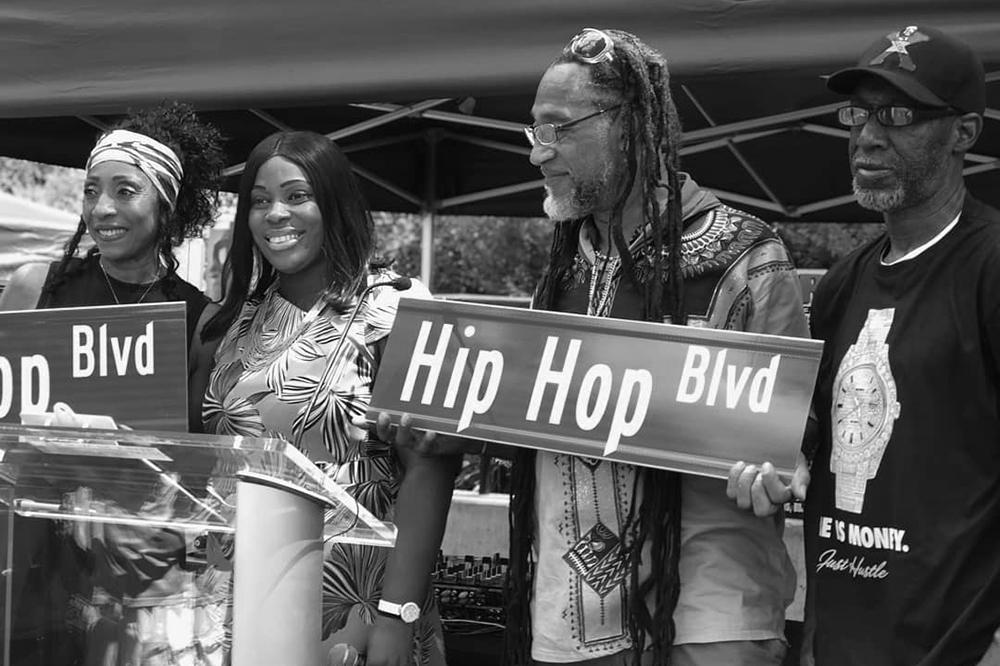
Free expression also plays a central role in identity formation. People define themselves through language, fashion, beliefs, art, music, and cultural practices, all of which depend on the ability to express oneself freely. As Michel Foucault’s discussion of parrhesia makes clear, expression is not merely about having permission to speak, but about the courage to speak honestly and claim ownership of one’s truth. In societies where expression is heavily restricted, identity often collapses into conformity, shaped primarily by the state. In contrast, societies that protect expressive freedom tend to cultivate a wide range of identities, perspectives, and cultural forms.
This connection between expression and identity becomes especially important when considering marginalized voices. Gayatri Chakravorty Spivak’s question, “Can the subaltern speak?” reminds us that formal access to speech, or isegoria, does not guarantee that one’s voice will be heard or understood. Power determines whose speech is recognized as legitimate. Cultural expression can help bridge this gap. Projects like When Rivers Were Trails, an Indigenous-led video game discussed by LaPensée and Emmons, demonstrate how digital media can function as political speech by reclaiming narrative authority, history, and representation. In this context, games, music, and art become acts of parrhesia, telling truths that dominant narratives have long ignored or erased.
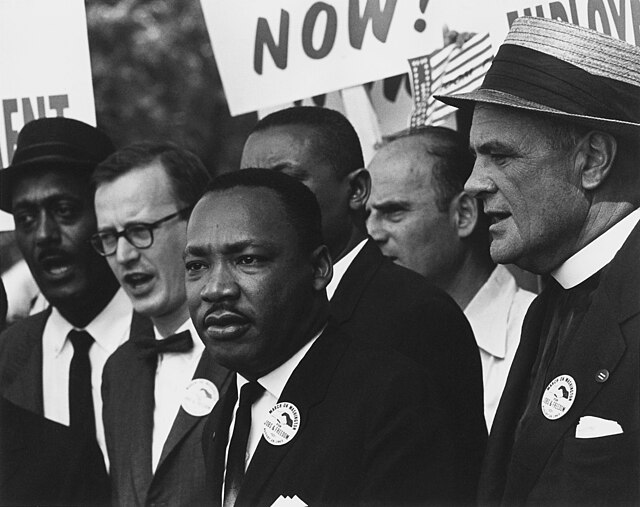
Ultimately, free expression is not only worth protecting, it is worth defending at great cost. Throughout history, people have been punished or killed for their beliefs, identities, and forms of self-expression. The very fact that expression is so frequently targeted underscores its power. While it can be misused, free expression remains one of the most effective tools for resisting injustice, fostering understanding, and affirming human dignity. Protecting it means protecting the ability to be seen, heard, and known, both as individuals and as communities.
References
LaPensée, E., & Emmons, N. (2018). When rivers were trails: Cultural expression in an Indigenous video game.
Foucault, M. (1983). Discourse and truth: The problematization of parrhesia.
Bejan, T. M. (2019). Two concepts of freedom (of speech). Proceedings of the American Philosophical Society.
Spivak, G. C. (1988). Can the subaltern speak?
