
Doing an experiment such as a 24-hour media diet on oneself can be a revealing process. This wasn’t my first media diet; I completed a similar assignment last semester, although its purpose was different. Last time, I focused primarily on how much media I consumed and what types. This time, I paid closer attention to misinformation and questionable content entering my media diet. Surprisingly, the amount and types of media I consumed haven’t changed much—only how I approached them. If anything, this experiment revealed that I am just as addicted to social media as I was last year, despite promising myself I would cut back.
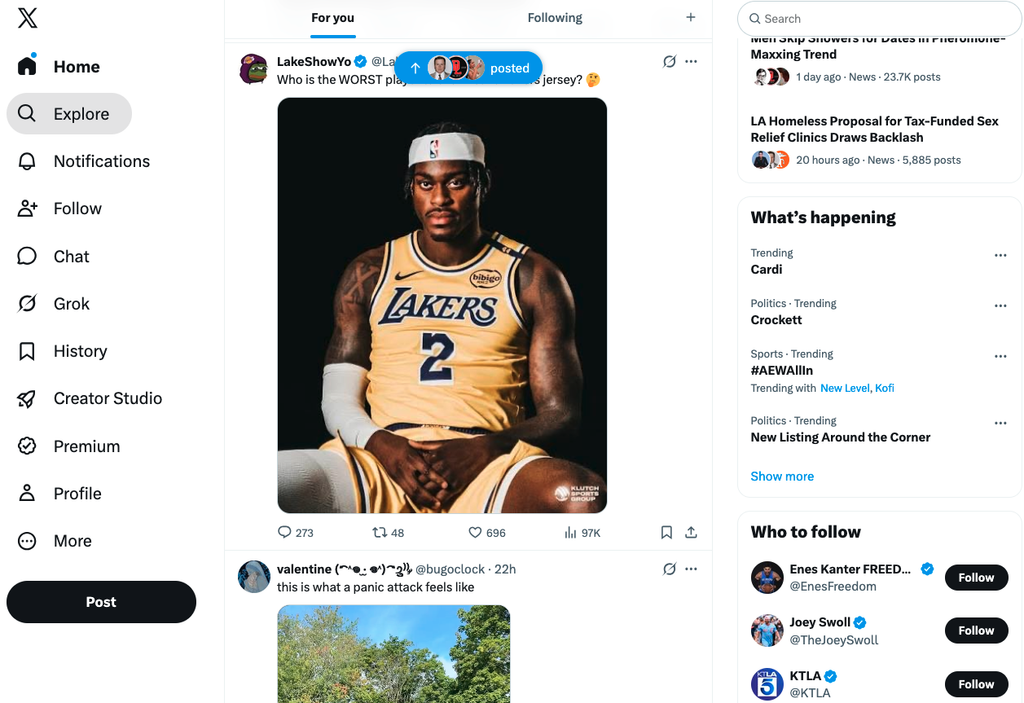
My media diet began the morning of Friday, August 28. I woke up roughly around 6:45 AM, and before I could even fully open my eyes, I had my phone in my hand. I was immediately doom-scrolling down my feed on X (formerly known as Twitter). Doomscrolling has become an addictive, compulsive habit, rather than just a daily news check, and I find it difficult to exercise more control over it, despite my promises. Even if we really want to think of media in terms of diet, this means I start my media diet before I even get out of bed. Doomscrolling has become a normal facet of the media experience for many Americans (Housman, 2025) and it has certainly become a staple of my morning and night routine. During the first 30 minutes of doomscrolling, I am more interested in the gossip, gender wars, and rap music opinions, as well as the comments under them. The discourse that social media provides is difficult to turn away from.
As I continue to scroll, a very intriguing story catches my eye. It was a story from the Twitter account @rawalerts that made the claim that a 63-year-old man set himself on fire inside the lobby of Google’s lower Manhattan office building. When I saw this story, I thought to myself, that sounds insane and then I thought to myself, aha, this could be my moment to identify a story that may not be true just based on the fact that it sounded so outrageous. I then clicked on X’s built-in AI symbol known as Grok to verify. Grok verified that the story was true, but I still did not want to put all my trust into AI as a final source, so I checked the local news and I found several news articles verifying the story, including the New York Daily News, which for me is a trusted verified source (Burke & Mixson, 2026). To my surprise, the story turned out to be true and I found it rather shocking. The headline is what made me click on the tweet in the first place. I initially didn’t know if the story was true, but if it were, it would be fascinating.
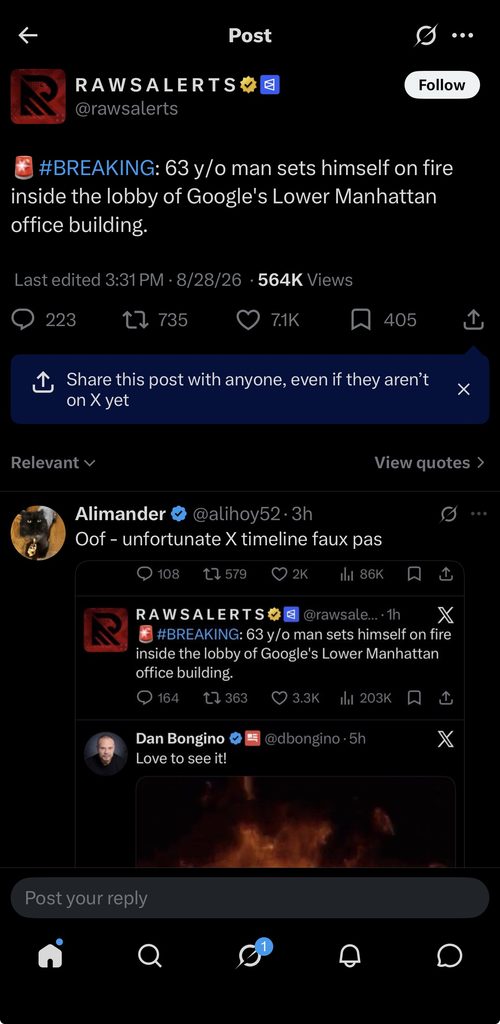
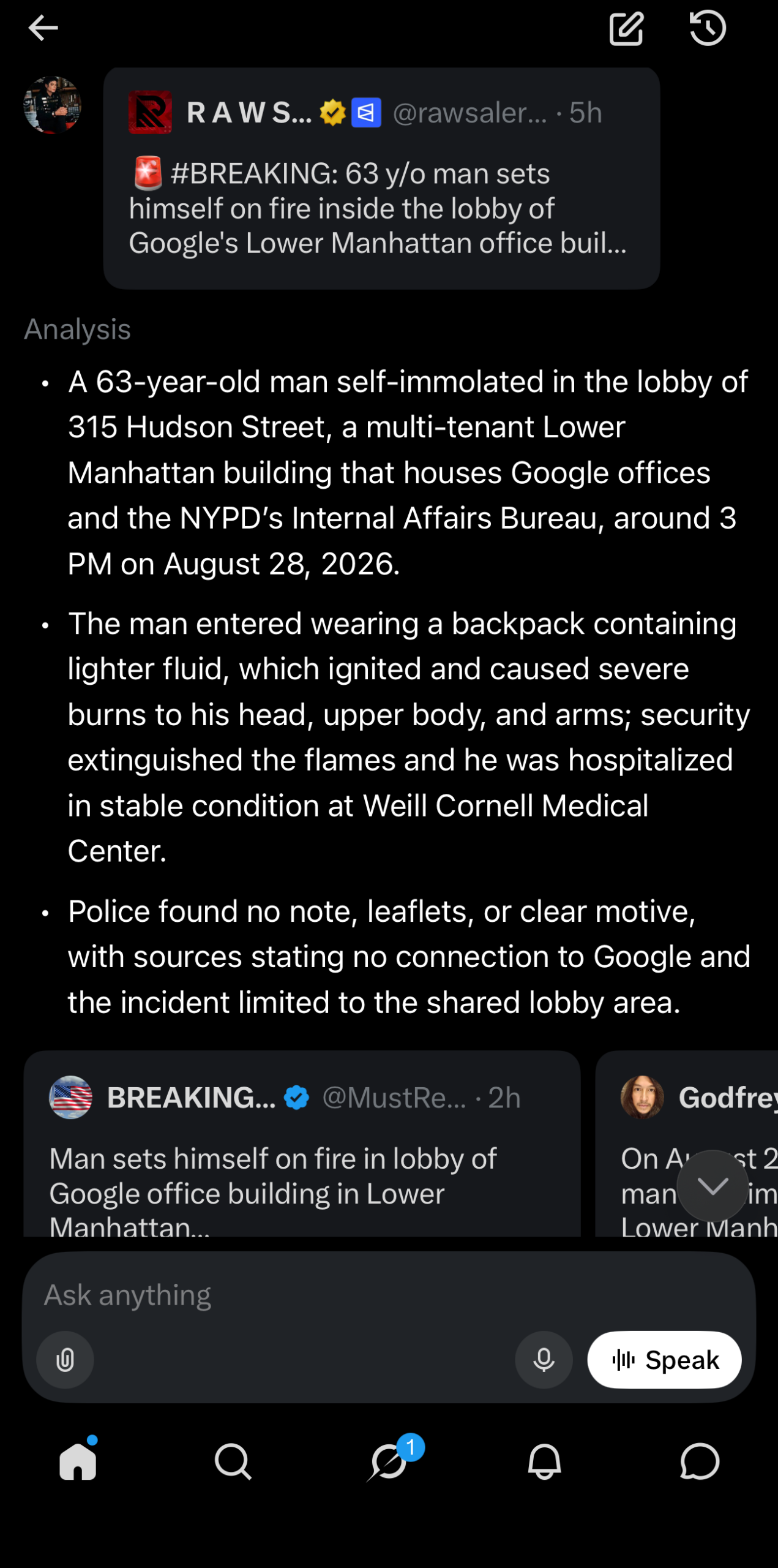
I first encountered the Google office story on X and used Grok as an initial verification step.
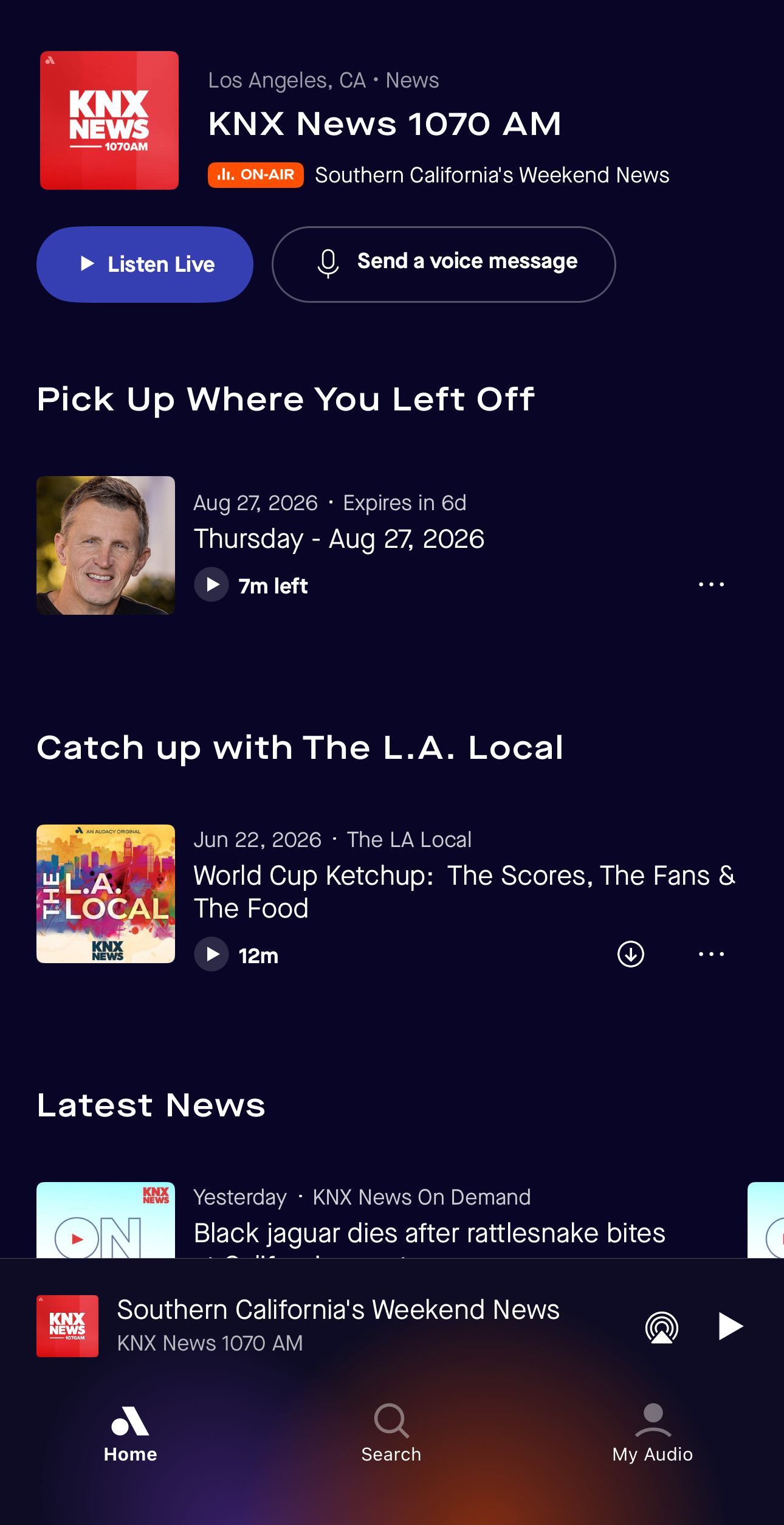
Around 7:30 a.m., I switched to KNX News 97.1, a local station I grew up listening to and still use every morning for Southern California news, weather and traffic. Unlike my largely algorithm-driven social media consumption, KNX represents one of the traditional news sources I deliberately seek out.
Around 9 a.m., I switched to KUSC while working from home. Classical music helps me focus, reminding me that much of my media diet is functional or recreational rather than informational.
Around 11:15 AM, while scrolling social media, I saw that rapper Fat Joe had released a new album and switched to Spotify to listen. Spotify’s recommendations also led me to a joint project by Erykah Badu and The Alchemist. Music is a vital part of my daily media consumption, and Spotify’s algorithm plays a significant role in what I discover.
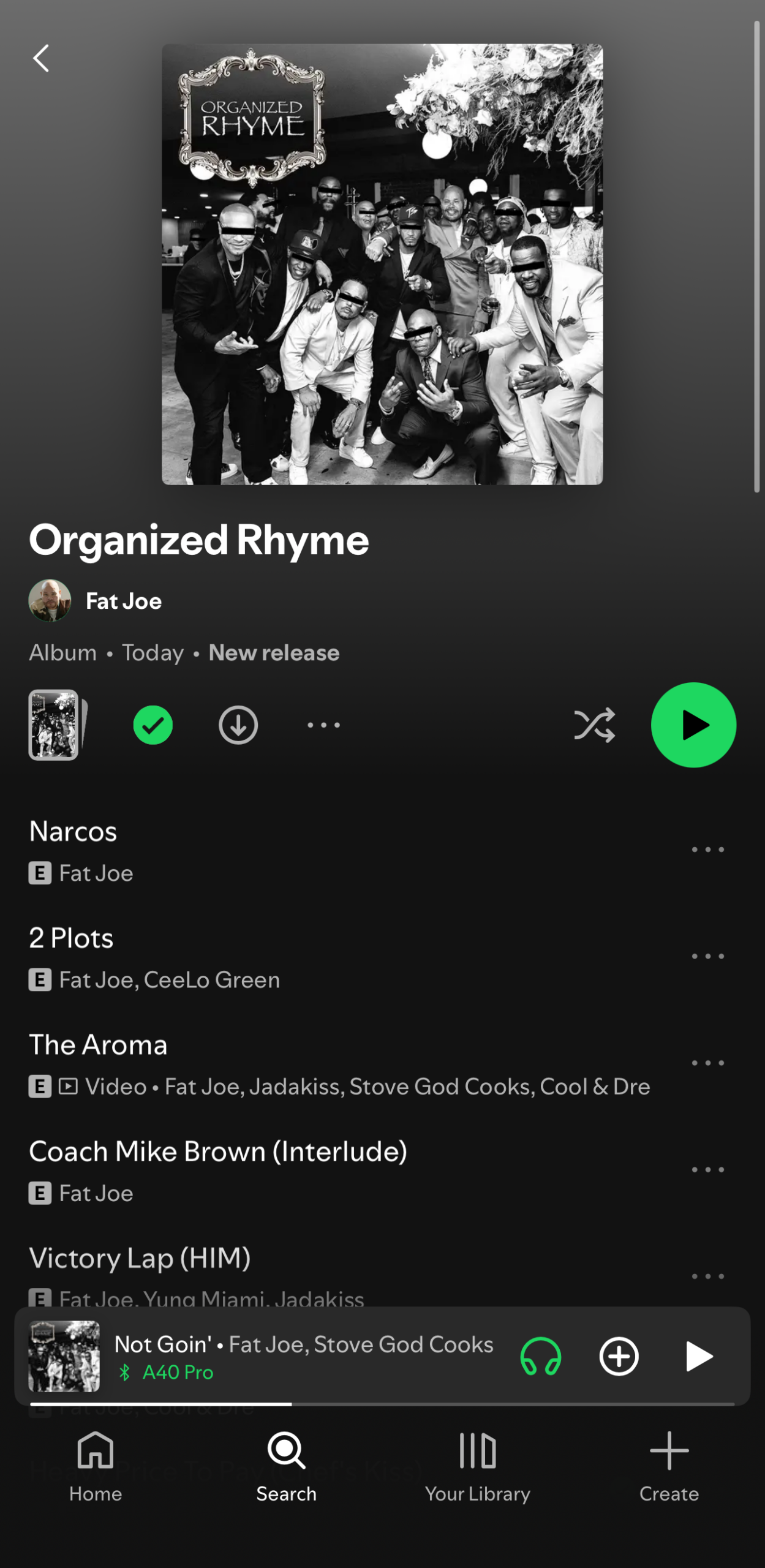
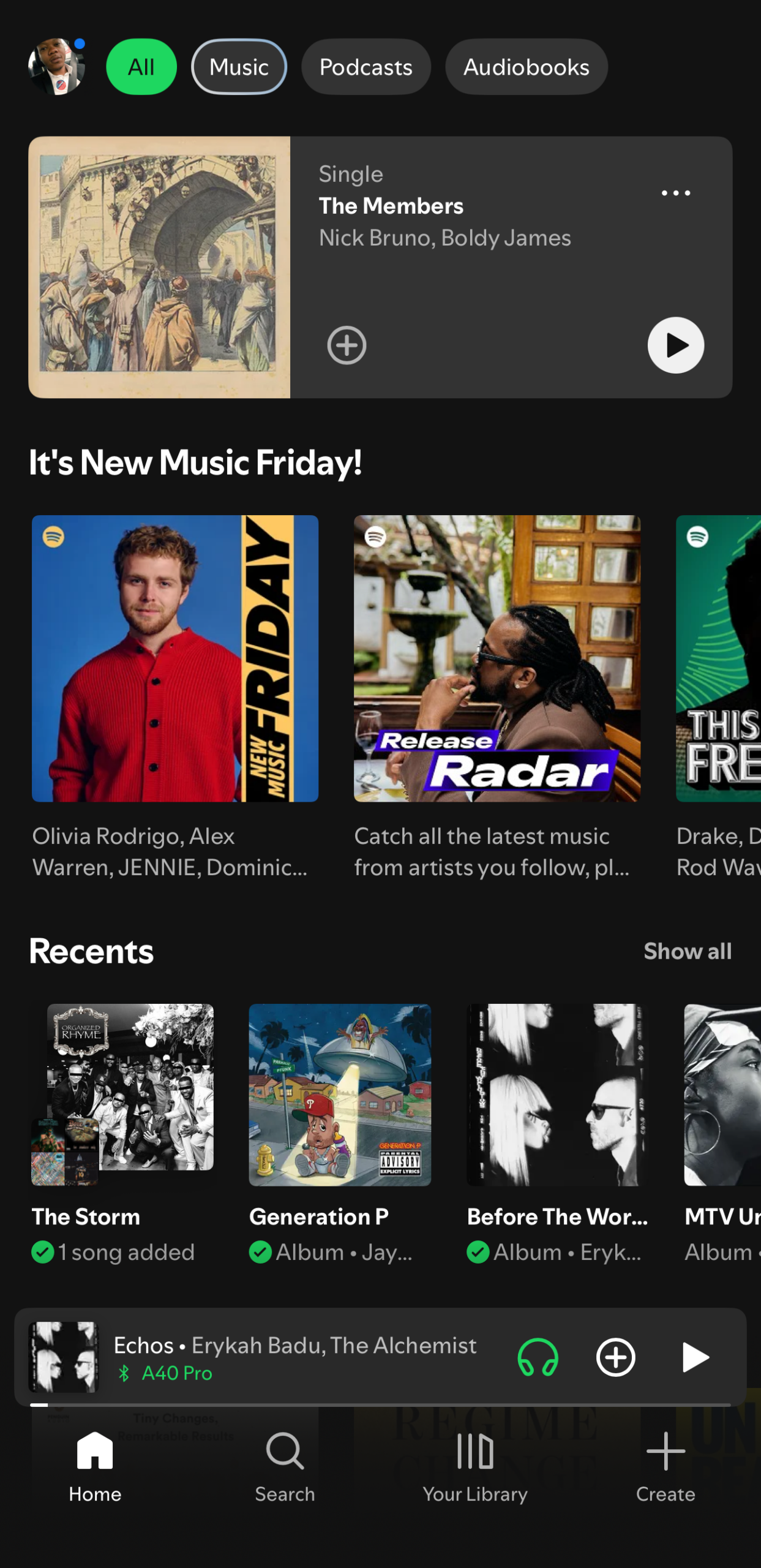
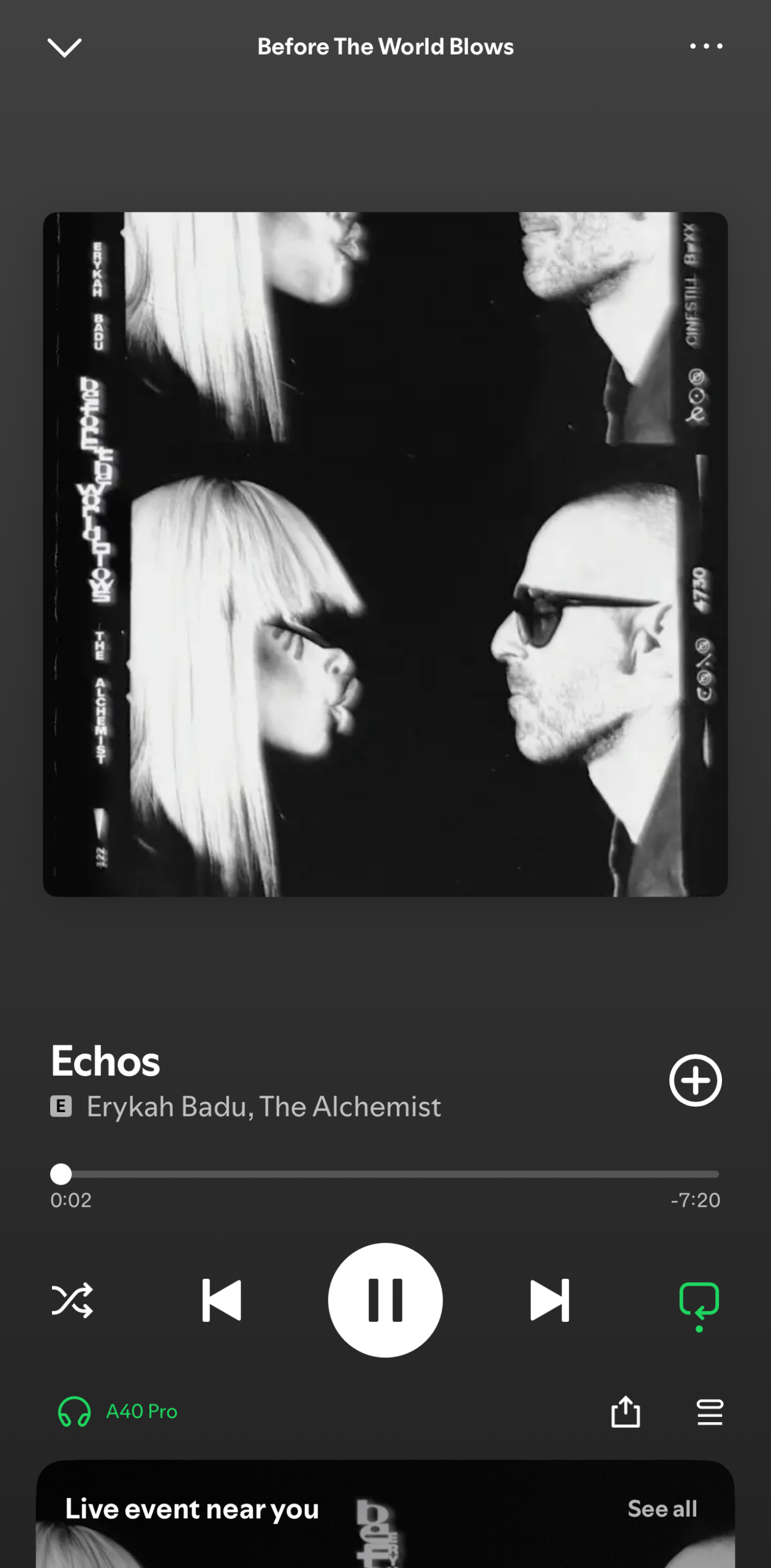
Spotify recommendations played a significant role in the music I discovered throughout the day.
As my day went on, I repeatedly checked social media apps, mainly X and Instagram. At this point, it feels almost second nature, as whenever I find myself with some idle time, I reach for my phone, and every time I reach for my phone, I immediately go to those social media apps.
Around 1 PM, I used YouTube to catch up on the Tupac Shakur murder trial before receiving a notification for the new Grand Theft Auto 6 trailer. After watching it, I spent some time viewing reaction and analysis videos from YouTube commentators.
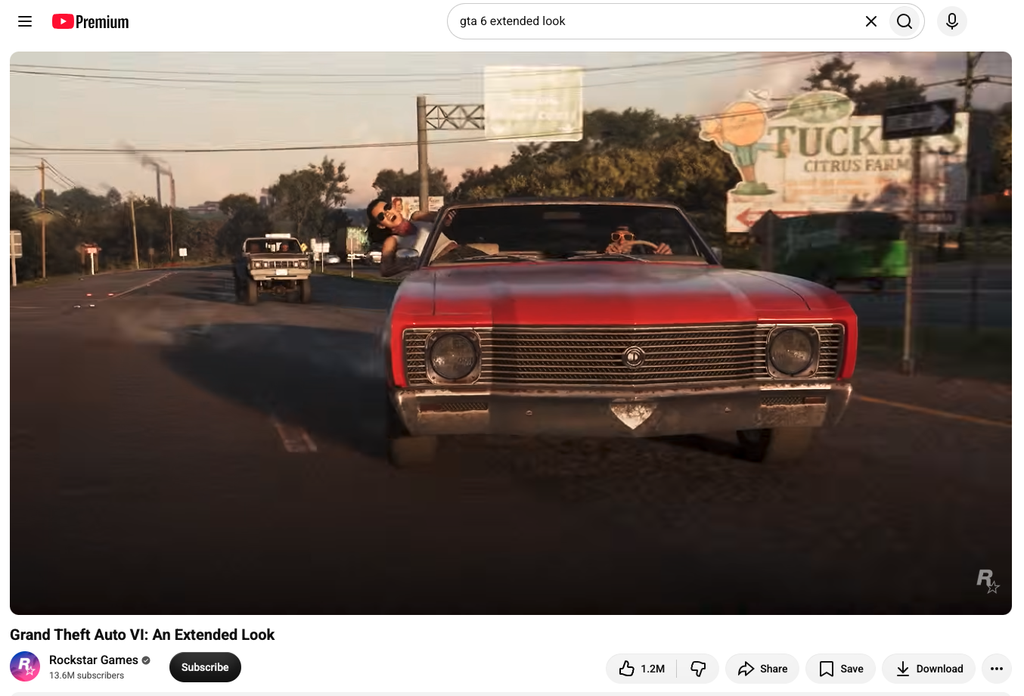
YouTube took me from GTA VI videos into an entirely different recommendation rabbit hole.
When I finished watching my last GTA 6 reaction video, the YouTube algorithm gave me an intriguing suggestion for a video to watch. The title of the video was “3 TikTokers Hiked Death Valley At 120°F. Found Dead By 4 PM.” This video must have been fed to me by the algorithm because I am always watching true stories about disasters, survival and extreme true stories about people in extreme environments. In addition to the video, it was scorching hot outside as we were in the midst of a heatwave, so the heat only did more to pique my curiosity. I couldn’t help but click on the video because, once again, my brain thought, what if the story is true? That would be a fascinating story, much like the one I saw earlier about the man on fire at Google HQ. This immediately reminded me of the “interestingness-if-true” concept from our Module 2 readings. I was uncertain whether the claim was accurate, but the possibility that it might be true made the story interesting enough for me to click.
YouTube recommended this video after I watched unrelated content, leading to the most significant misinformation encounter of my media diet.
I initially found the story believable because the video appeared professional, complete with names, victim backstories, detailed circumstances, and live narration, all of which gave the fabricated story an appearance of credibility. The experience reinforced one of the central lessons from the Verification Handbook: presentation alone is not verification. As I watched the video, I read the comments from other viewers (my favorite thing to do while watching clips). The comments were full of people who were blaming the alleged victims, making jokes, debating influencer culture, talking about Death Valley, arguing over personal responsibility, and telling their own hiking stories. Most of the commenters were not very sympathetic to the alleged victims. This is when I needed to once again corroborate this information and find out if it was actually true. I searched Google for reports of three TikTok influencers dying in Death Valley, but the results produced no credible news coverage or documentation of the alleged tragedy. Rather than relying solely on Google’s AI-generated answer, I searched the alleged victims’ names and details of the supposed incident and looked for corroborating reporting. I could find no credible reporting or official record supporting the story, while the available evidence strongly suggested that the video was fabricated. What’s even more fascinating is the discourse that this video sparked among the many people commenting on it. I wondered how many knew the story was a hoax, how many checked, and if any cared. Perhaps getting involved in the discussion matters more to some viewers than the validity of the claim. People can start building social conversations around the premise of a claim before anyone establishes whether the premise itself is true.
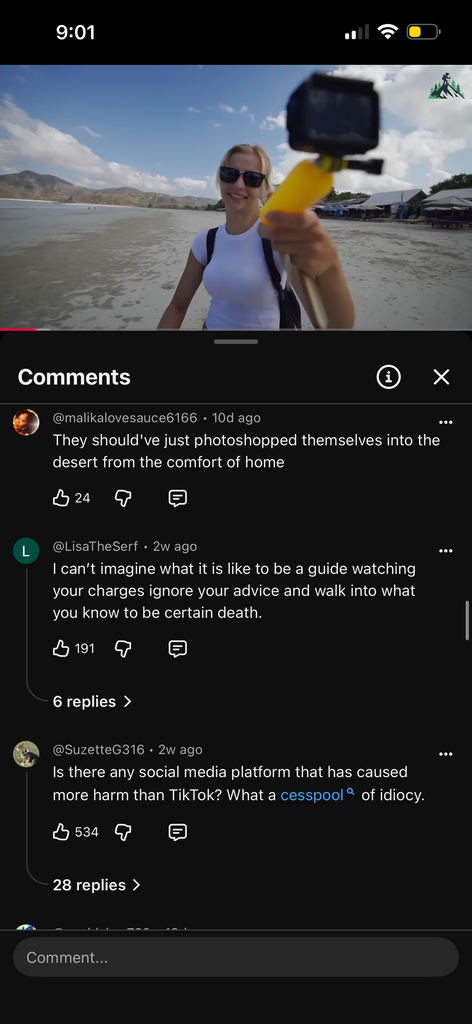
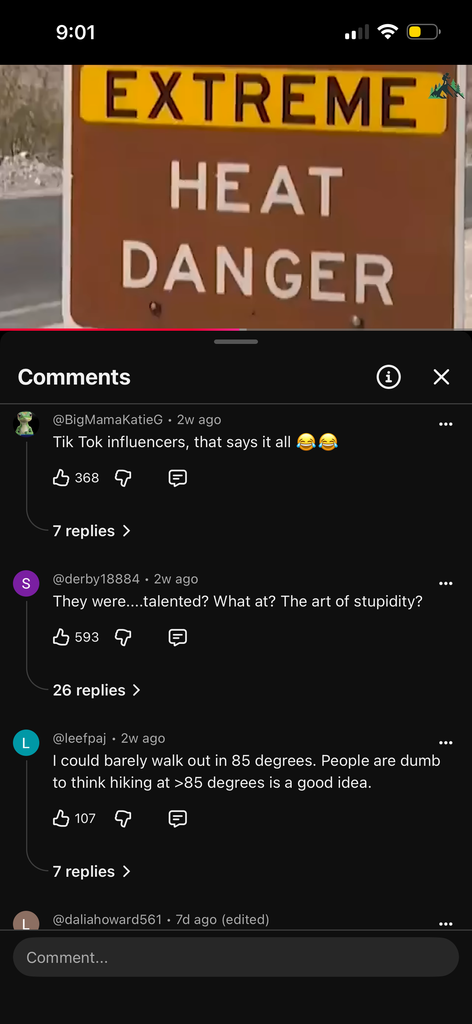
Viewers debated the supposed tragedy even though I could find no credible evidence that it occurred.
As the evening began to roll in around 6:30 PM, I found myself mindlessly scrolling social media feeds while the YouTube videos were being played in the background. The algorithm, aware of my interest in disaster and extreme environment stories, led me to investigate the Titanic disaster. As I was scrolling social media, I found myself doing so, viewing each new news story I saw with skepticism. I found myself questioning whether the stories I encountered were accurate or simply designed to generate clicks.
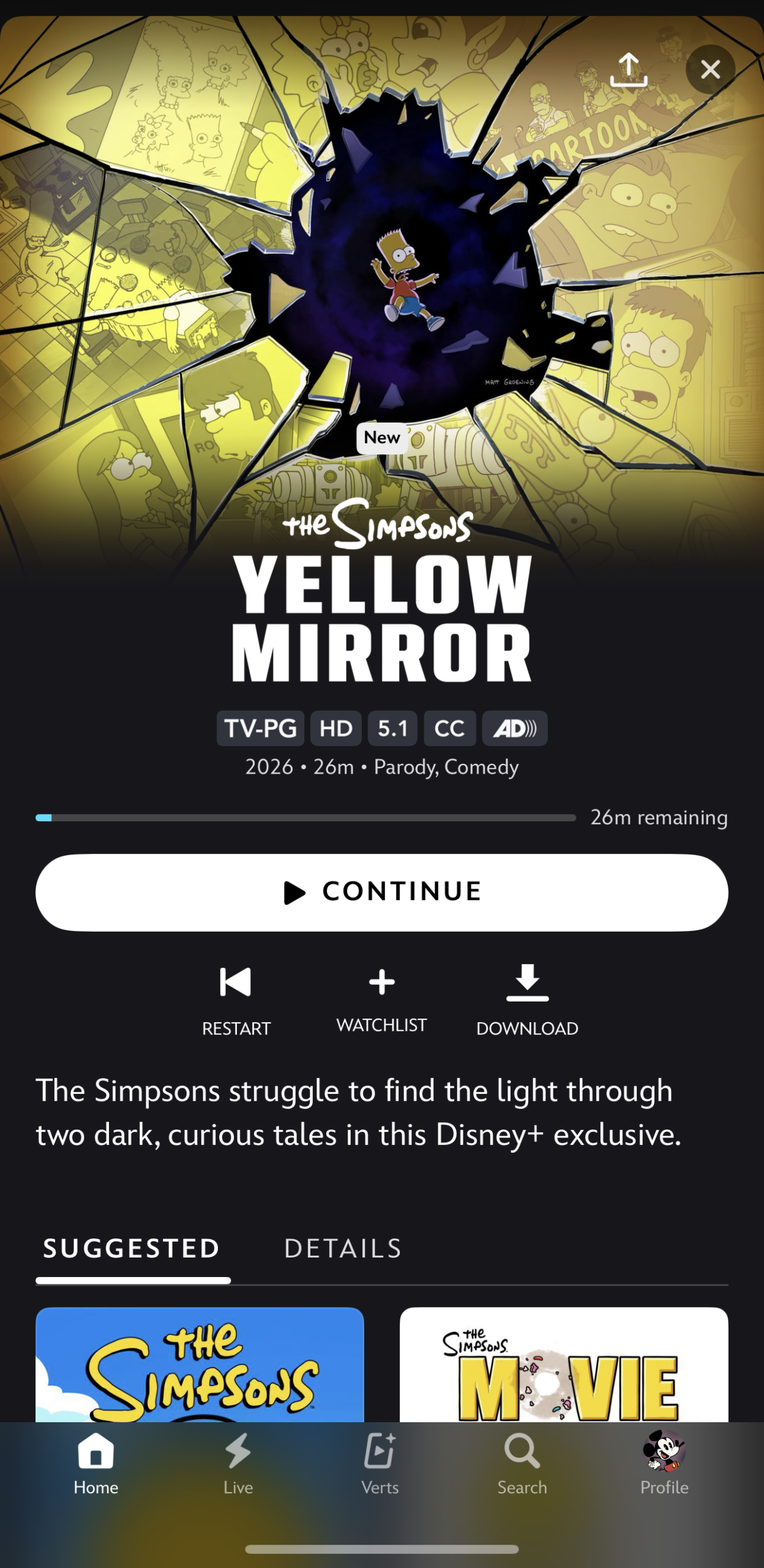
As the evening wound down, I turned on Disney Plus and watched the newest episode of The Simpsons, a show that has been on since I was a little child and is still producing new episodes. As my evening came to a close, I ended it by doing more social media doom scrolling and fell asleep with my phone in my hand, only to wake up and begin my Saturday morning the exact same way.
By the end of my 24-hour media diet, I realized that my media habits haven’t changed nearly as much as I thought since the last time I completed this experiment. I still start and end my day on social media, algorithms continue to significantly influence what I see, and I probably spend more time scrolling than I care to admit. What has changed is my approach to the information I encounter. The two questionable stories I investigated during this experiment taught me an important lesson: an outrageous story isn’t necessarily false, just as a professionally produced story isn’t inherently true. The story about the man at Google’s office sounded unbelievable but was supported by credible reporting, while the Death Valley video seemed convincing but could not withstand the same verification process. Ultimately, this experiment demonstrated that media literacy requires more than skepticism; it requires taking the extra step to verify information before believing it, sharing it, or joining the conversation around it.
References
Altay, S., de Araujo, E., & Mercier, H. (2021). “If This account is True, It is Most Enormously Wonderful”: Interestingness-If-True and the Sharing of True and False News. Digital Journalism, 3, 373–394. https://doi.org/10.1080/21670811.2021.1941163
Burke, K., & Mixson, C. (2026, August 28). Man sets himself on fire inside Google office building in downtown Manhattan. New York Daily News; New York Daily News. https://www.nydailynews.com/2026/08/28/man-sets-himself-fire-google-office-building-downtown-manhattan/
Housman, P. (2025, April 24). Why Can’t We Stop Doomscrolling? A CAS Conversation with Chris Tripoli. American.Edu; American University, Washington D.C. . https://www.american.edu/cas/news/doomscrolling-cas-conversation.cfm
The Last Hike. (2026, August 6). 3 TikTokers Hiked Death Valley At 120°F. Found Dead By 4 PM. YouTube. https://www.youtube.com/watch?v=jOlBk–i8Ns
