
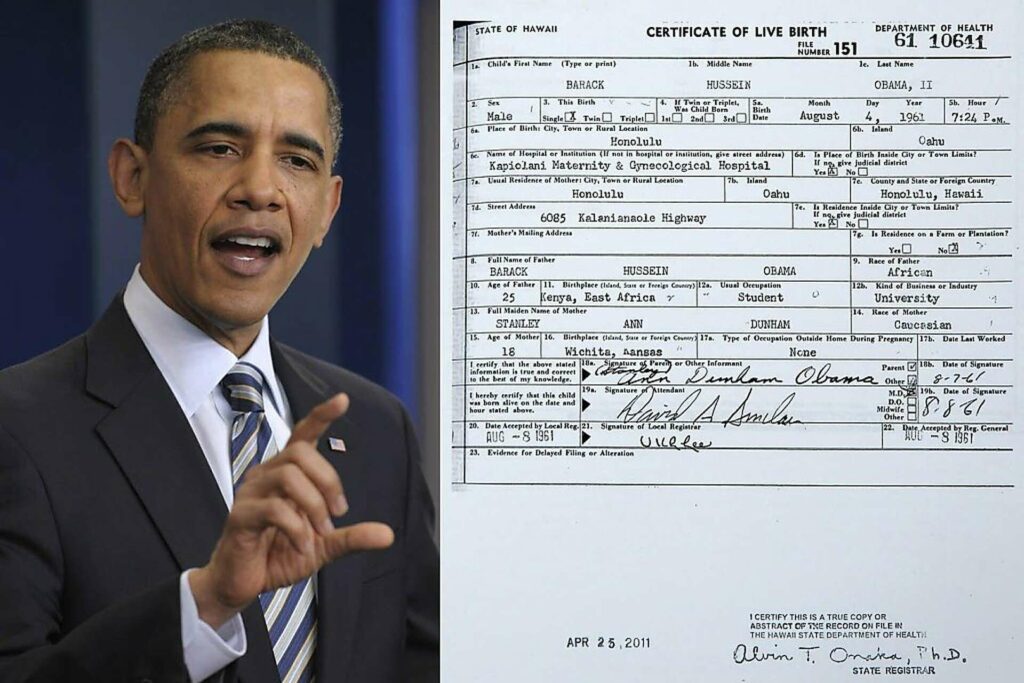
Birtherism is the conspiracy theory that Barack Obama was not born in the United States and therefore was not eligible to serve as president. On the surface, it seems like just another wild internet rumor, but its impact on American politics has been enormous. As the first Black president, Obama represented progress, but birtherism weaponized falsehoods and racial anxiety in an attempt to undermine his legitimacy. What started out as whispers in fringe corners of the internet became a mainstream talking point that shaped deep partisan divides and even launched the political career of Donald Trump.
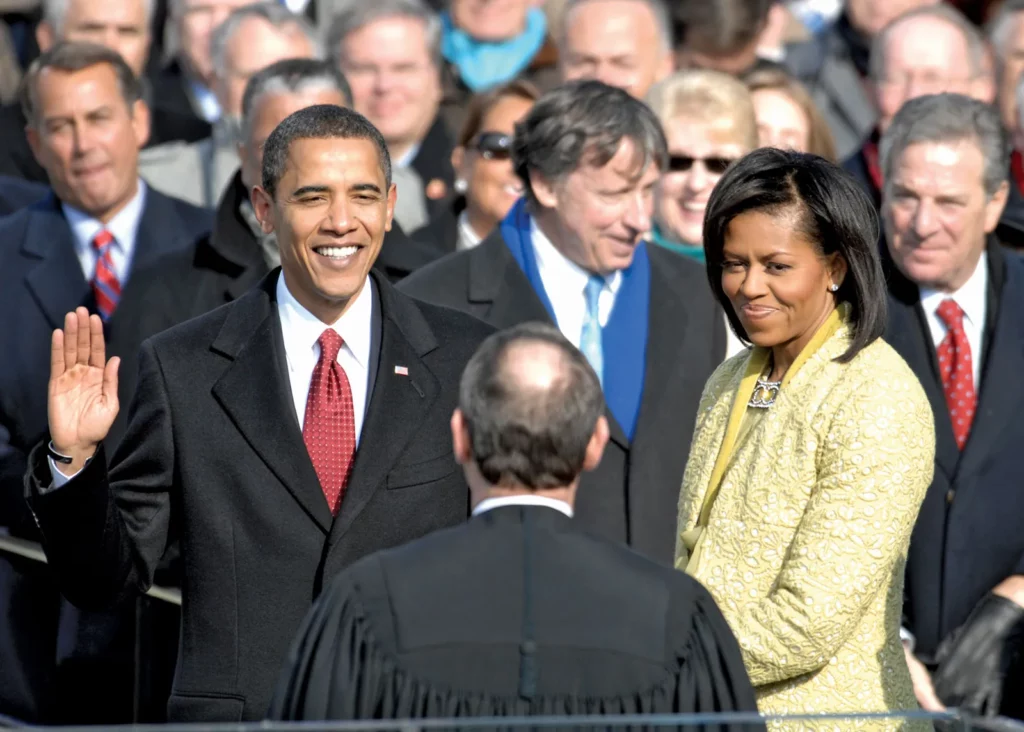
Politico explains that the origins of birtherism date back to the 2008 campaign, when emails and blog posts began questioning Obama’s citizenship. Although the theory was dismissed by most, it gained traction through repetition and exposure, a classic example of The Big Lie: a falsehood repeated so often that it starts to feel true. Once Trump embraced the conspiracy in 2011, it went from fringe to headline news. Trump’s celebrity status gave him credibility in the eyes of many, and he used his platform to demand Obama’s birth certificate on national television.
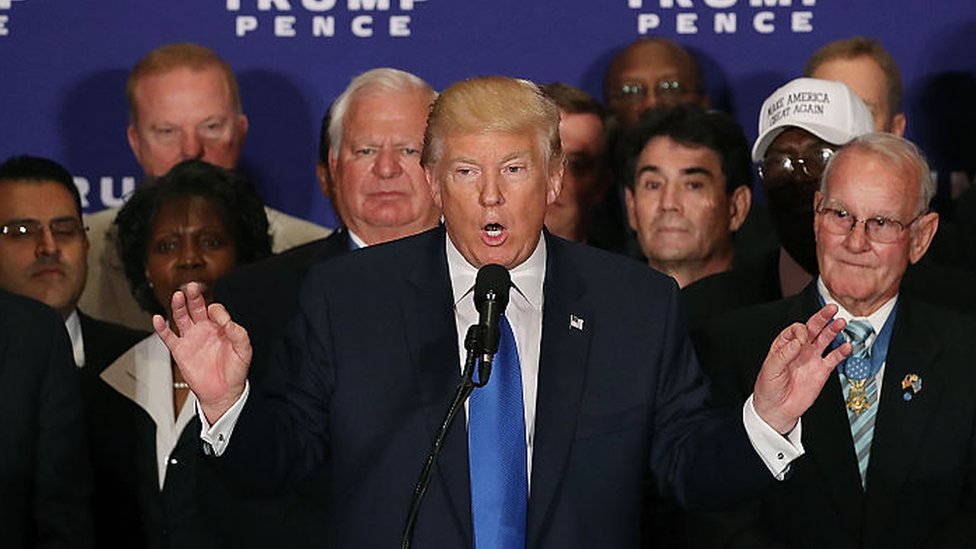
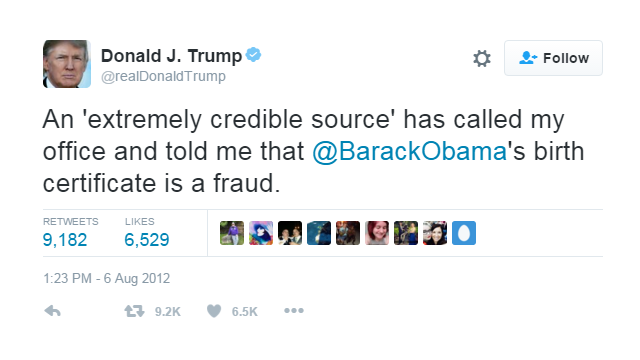
The New York Times reported that Trump eventually admitted in 2016 that Obama was born in the U.S., but by then the damage was done. Millions of Americans had already internalized the belief that Obama was an outsider. This ties into persuasion tactics like appeal to fear and prejudice, since the conspiracy played on anxieties about race, immigration, and who is considered “American enough.” It also functioned as a diversion, shifting public attention from policy debates to questions of personal legitimacy.

This is a classic example of how propaganda works. According to the Institute for Propaganda Analysis, “transfer” and “repetition” are strong ways to get people to believe something. Birtherism used both of these methods. Obama’s identity was repeatedly associated with foreignness, Islam, and illegitimacy until those associations stuck with a segment of the population.
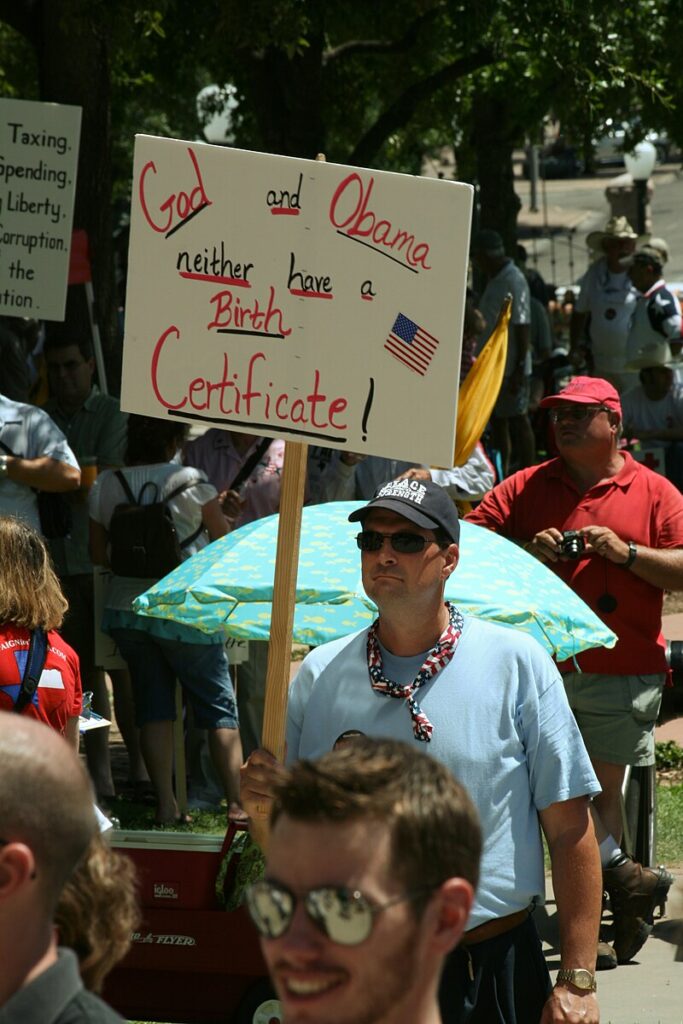
The persistence of this conspiracy is an example of the way marketers use manipulation to influence consumers. Just as ad campaigns tap into belonging and fear to sell products, political actors used birtherism to build group identity. Believing the theory became less about evidence and more about signaling loyalty to a certain worldview. A ScienceDirect study shows that conspiracy theories thrive because they feed on existing biases and distrust of authority, making them resilient even when disproven.
Today, the majority of Americans accept Obama’s citizenship, but polls show that a significant minority still cling to the myth. The legacy of birtherism is that it normalized conspiracy-driven politics. It opened the door to other movements, from QAnon to election denial, by showing how easily propaganda can take root when amplified by influential voices
Birtherism is more than a conspiracy theory. It is a case study in how propaganda tactics and persuasion culture can destabilize trust in institutions and leaders. It reminds us why media literacy matters, because the health of our democracy depends on our ability to recognize and challenge manipulative narratives before they reshape reality.