
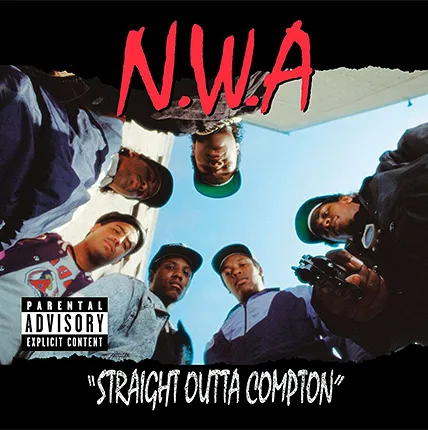
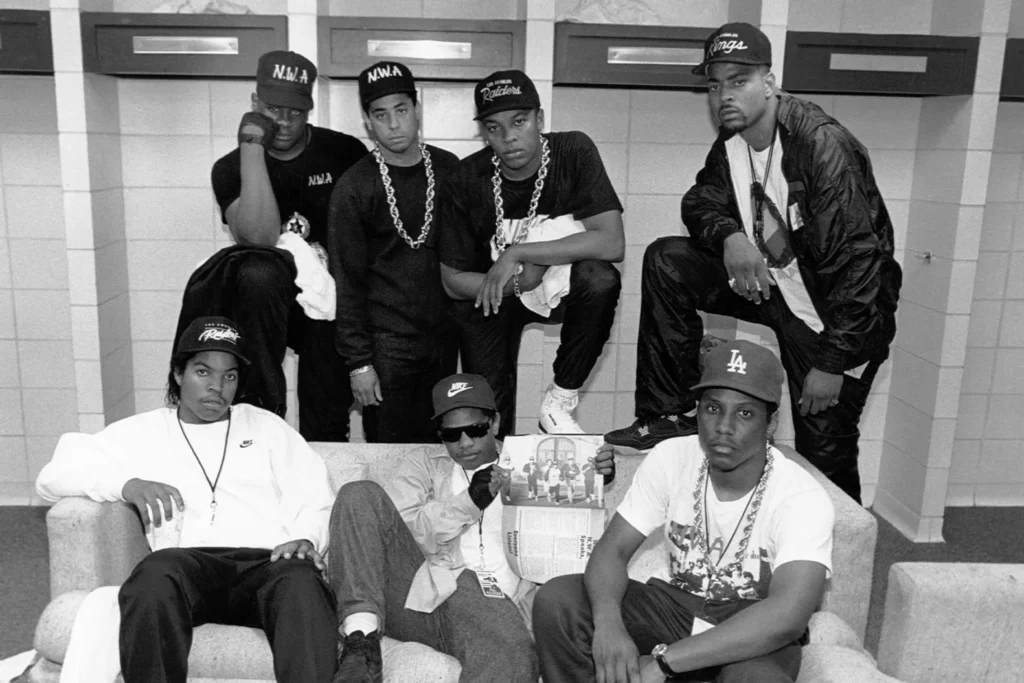
In 1988, a group of young black men from Compton, California grabbed microphones and challenged the national conversation. When N.W.A. dropped Straight Outta Compton, the sound of hip hop exploded into something raw, unfiltered, and impossible to ignore. Their most infamous track, “F* Tha Police,”** wasn’t just a song; it became a public outcry, a revolutionary anthem, and, whether they realized it or not, an act of civic imagination that not only shook hip hop culture, or even just music, but the entire country.
“OF THE MANY BIG BANGS that have transformed rap over the decades, N.W.A.’s ‘Straight Outta Compton’ is one of the loudest.”
— Gerrick D. Kennedy, Los Angeles Times
As Kennedy writes, Straight Outta Compton was “a sonic Molotov cocktail that ignited a firestorm.” Radio stations banned it, politicians condemned it, and law enforcement tried to silence it. Yet the more the establishment pushed back, the louder its message became. N.W.A. spoke directly to the reality of police brutality, racial profiling, and the daily frustration of being young, Black, and unheard in America. They transformed anger into art and art into a form of civic participation.
🎧 Imagining a Different Reality
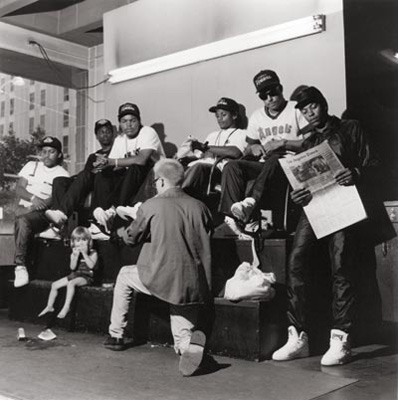
At the heart of civic imagination is the ability to envision a better world and an alternative to current cultural or political realities. By refusing to accept silence as normal, N.W.A. imagined that world. Their music exposed the truth that mainstream America often ignored: a system of oppression that overly policed Black people long before hashtags or viral videos made it widely visible.
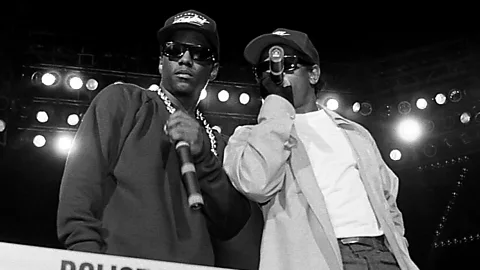
N.W.A. wasn’t politely asking for change; their lyrics were direct messages from the streets that called out violence and corruption in a way that demanded to be seen and heard.
⚡ When Music Becomes Protest
“Power hates accountability.”
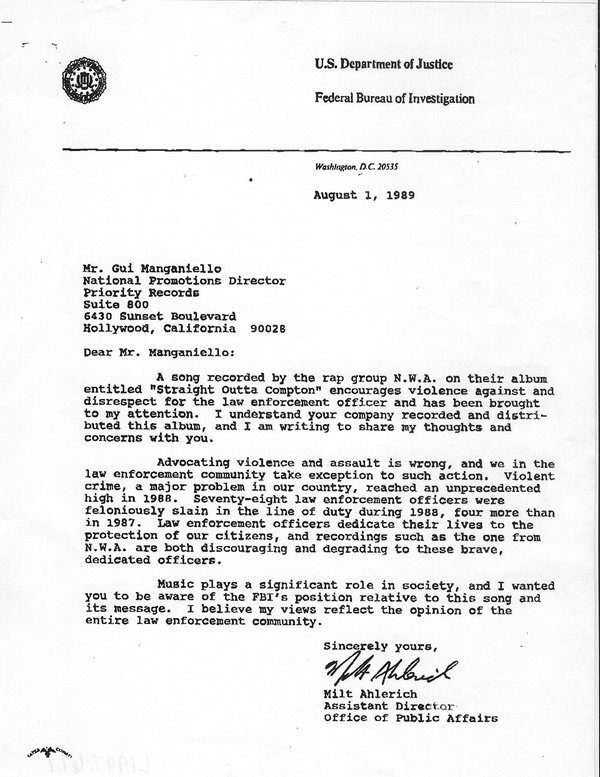
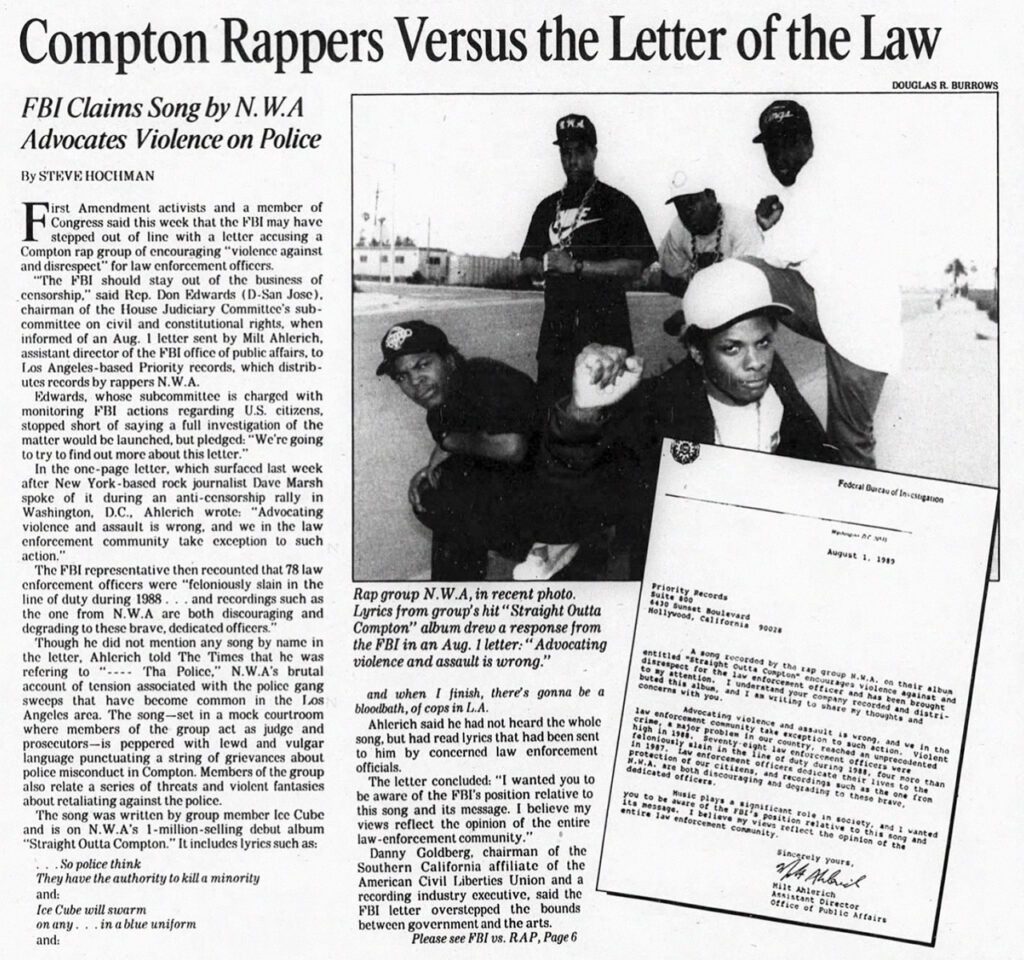
The controversy around “F*** Tha Police” actually amplified its impact. The FBI even sent a warning letter to the group’s record label, claiming the song encouraged violence against officers. That reaction only surged N.W.A.’s popularity and for many, it further proved their point that systems of power often fear exposure more than resistance. Ironically, the backlash helped push their message into the mainstream, forcing America to confront a conversation it had avoided for decades.
🚨 From Vinyl to Viral
Fast forward to 2020, when protests erupted after the murder of George Floyd. I remember being in Los Angeles and hearing “F*** Tha Police” blaring from cars up and down the streets. Thirty-plus years later, the same lyrics were echoing through new generations, this time amplified by social media and streaming platforms.
Protesters filmed themselves chanting those words, remixing them into TikToks and reels, turning a cassette-born protest into a digital-age anthem. The same spirit of resistance was given new life by user-generated content in participatory media activism, which developed from analog rebellion.
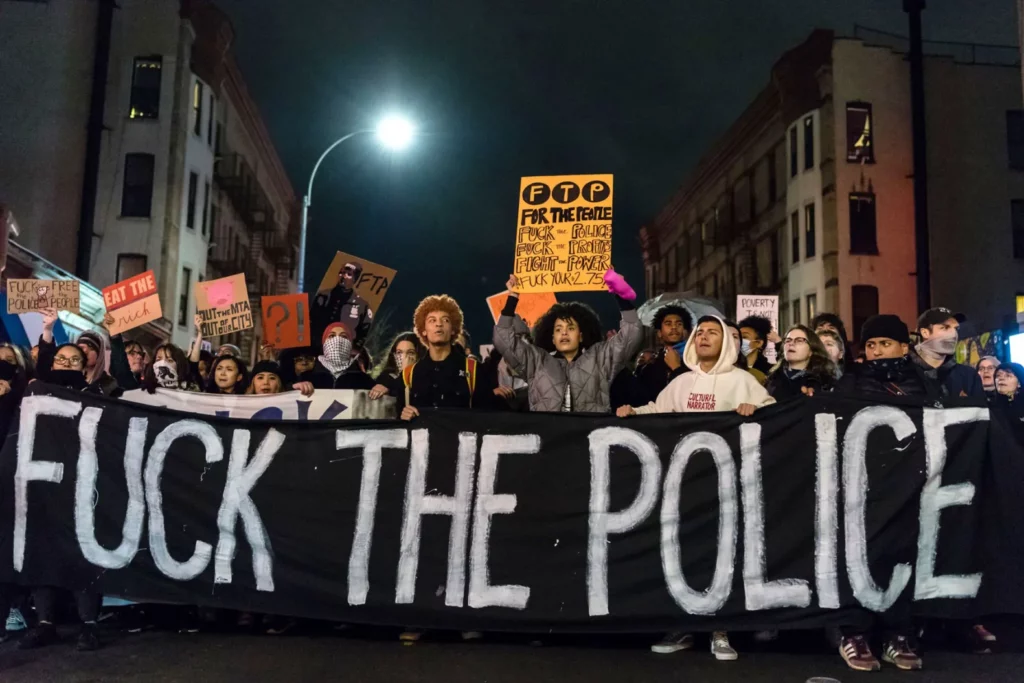
As the BBC noted, the song “foreshadowed riots, resistance, and the rise of hip hop as political speech.” It laid the foundation for what digital activism looks like today which is grassroots, networked, and global.
N.W.A. Legacy
“Art has always been a vehicle for civic participation.”
Looking back, it’s clear that N.W.A. wasn’t just making music; they were sparking revolution with their voice. Their refusal to clean up their lyrics and life experience made it possible for artists and activists of later generations to speak out without fear. Through their words, they imagined a world where truth could no longer be suppressed by fear, censorship, or authority. To be civically imaginative, you have to use creativity as a way to fight back and believe in something better, even if you have to shout it into a microphone instead of writing it down.
Today, “F*** Tha Police” still hits hard because it’s not just history, it’s prophecy. It reminds us that change often begins with someone daring to say what everyone else is afraid to say out loud.