
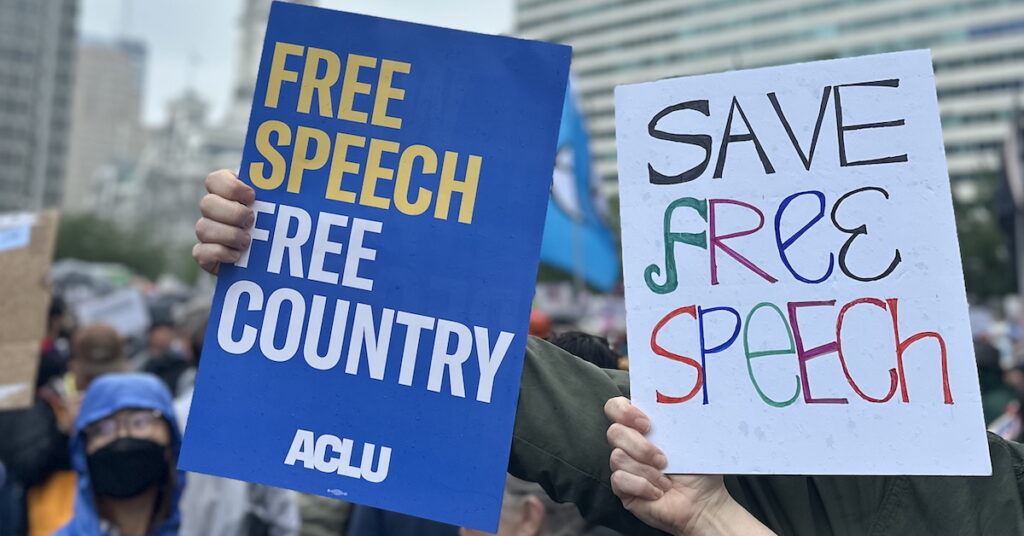
Freedom of expression has always existed in tension with public order. It sits on a narrow line between liberty and what the state labels as extremism, obscenity, or danger. Historically, whenever expression pushes society into discomfort, the government responds with regulation. The question is not whether regulation exists, but when it becomes excessive and who decides where that line should be drawn.
The recent rise in state-level legislation narrowing expression does concern me. Across the country, lawmakers are targeting school curricula, library books, drag performances, and protest activity in ways that feel less about public safety and more about controlling cultural narratives. Reporting from PBS News points out a sharp increase in legislative efforts that restrict speech under the banner of protecting children or preserving order, even when no direct harm is present (PBS News, 2023). In many ways, these actions feel like a modern version of earlier attempts to manage public discourse by limiting what people are allowed to read, learn, or witness.
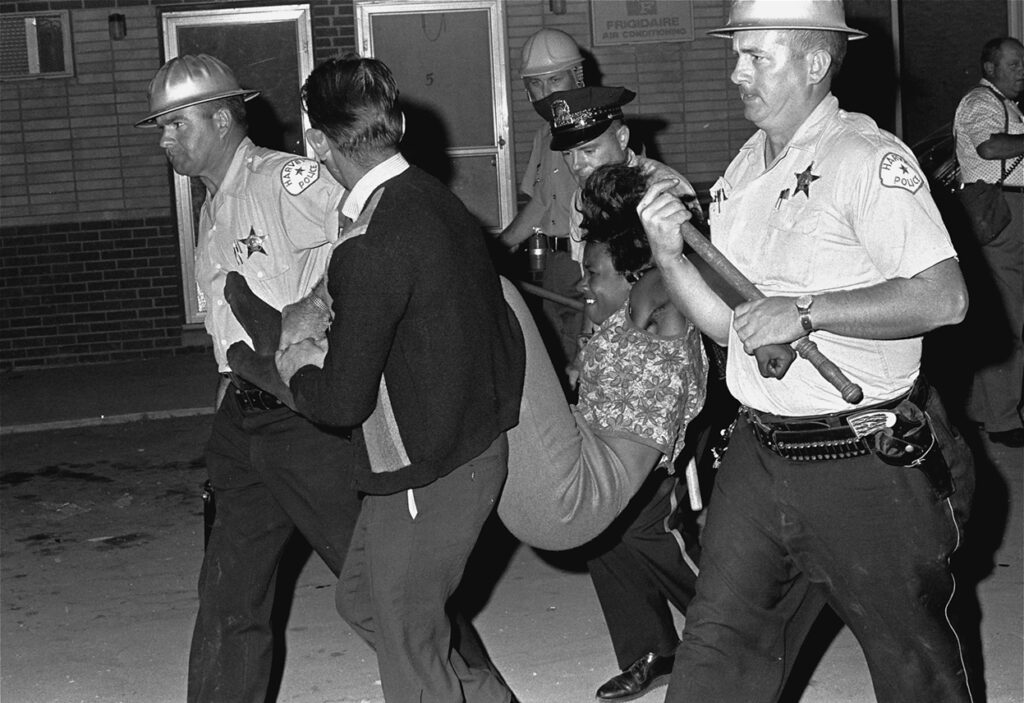
At the same time, I recognize that the First Amendment has never been unlimited. Cases like Schenck v. United States established that speech posing a direct and imminent threat can be restricted, especially during moments of crisis. That principle still matters. But Schenck also represents a dangerous logic: stopping speech because it might lead to harm someday. History shows how easily that reasoning can be stretched too far.
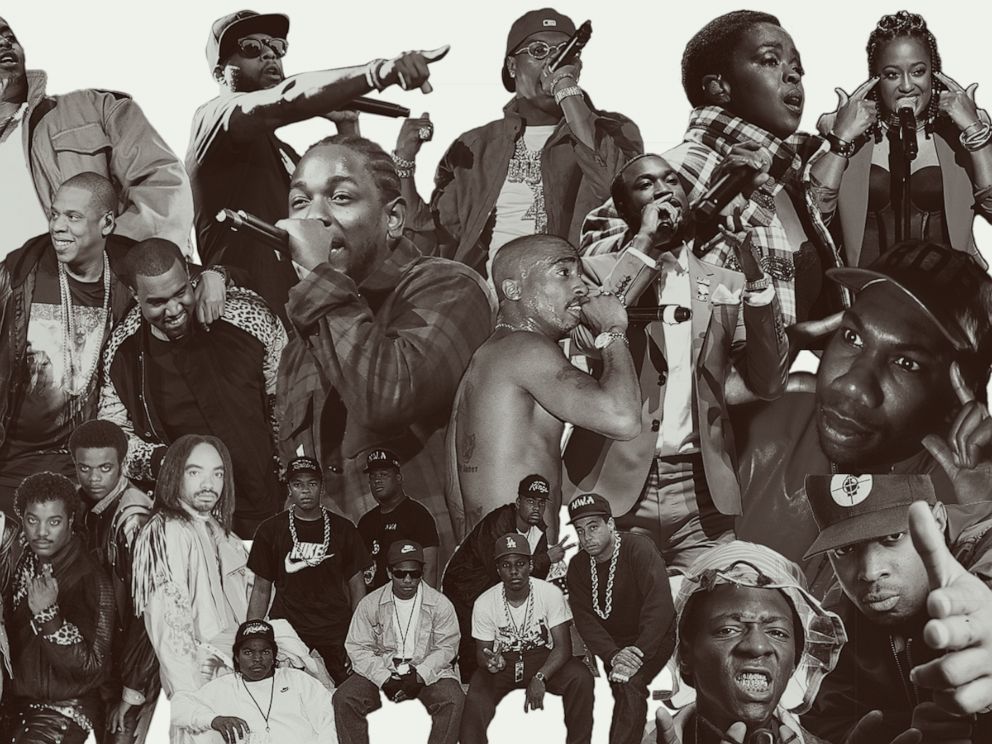
My skepticism toward government regulation of expression is deeply personal. Growing up in Los Angeles in the 1990s as a young Black man, I saw firsthand how the state and law enforcement attempted to censor rap music. Artists like N.W.A., Ice-T, and 2 Live Crew were treated as public threats for expressing anger, frustration, and lived experience. The FBI letter to N.W.A. and the obscenity prosecution of 2 Live Crew were not about safety. These efforts were less about public safety and more about silencing voices that caused discomfort. Rap music became a battleground precisely because it questioned and challenged power structures (Hudson Jr., 2025).
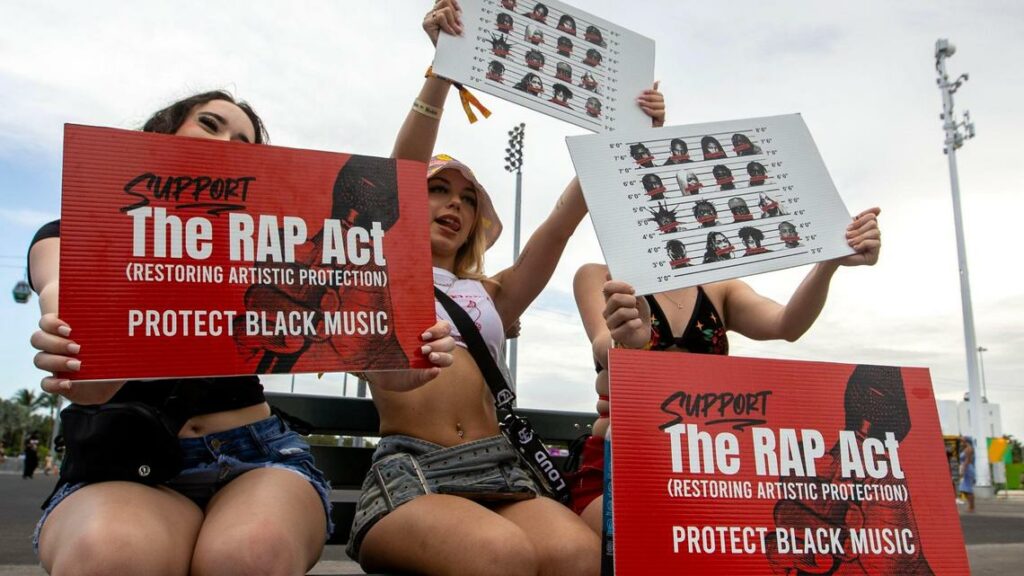
Because of that history, I am especially skeptical of modern efforts to censor speech indirectly. When the government pressures social media companies to suppress stories or viewpoints, even through informal channels, it raises serious constitutional concerns. While private platforms are not bound by the First Amendment, government coercion blurs that distinction and undermines free expression (Freedom Forum).
That said, policy can be an appropriate avenue for regulating speech, but only when it is narrow, transparent, and democratically enacted. Time, place, and manner restrictions, for example, exist to balance expression with public safety, not to silence viewpoints. When protesters block freeways and put lives at risk, regulation may be justified. But when journalists are arrested or protesters are met with lethal force, the state has crossed a line.
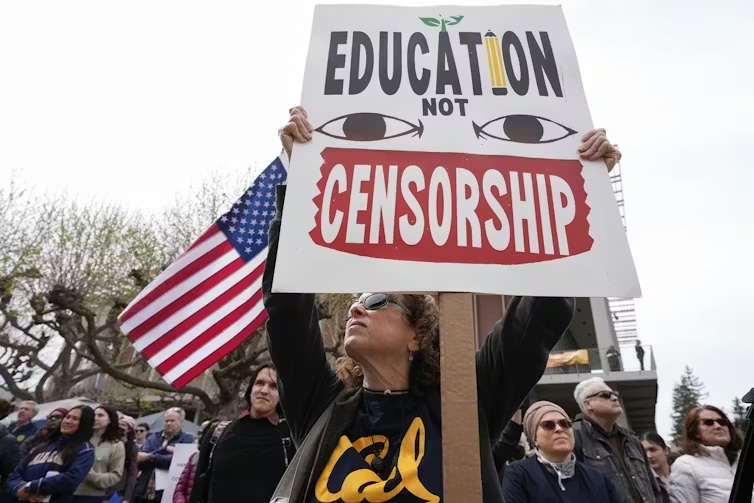
Ultimately, freedom of expression requires constant negotiation. I am concerned that today’s legislative trends favor control over liberty. Regulation may be necessary in limited circumstances, but it should always be the exception, not the default. A democracy that fears speech, even offensive speech, is one that risks losing its moral authority altogether.
