
Module 5: Blog Post No. 4

How Has the Internet Changed Freedom of Expression?
Freedom of expression has long been central to American democratic life, but the internet has fundamentally transformed how that freedom operates in practice. Gatekeepers such as newspapers, television networks, and radio broadcasters largely controlled access to mass expression before the advent of digital platforms. These institutions determined which voices were amplified and which were excluded. The internet disrupted this model entirely by dramatically lowering the barriers to participation in public discourse.
Today, social media platforms allow virtually anyone to share opinions, images, and ideas with global audiences in real time. This shift is similar to previous communication revolutions, such as the Gutenberg printing press, but the scope and speed of digital expression are unprecedented. As scholars and courts have noted, the internet has increased opportunities for speech while also posing new challenges to democratic governance and accountability.
One area where this change is most evident is in the way public officials communicate. In Knight First Amendment Institute v. Trump, the court recognized that President Trump’s use of Twitter functioned as an official channel of communication, effectively creating a digital public forum. Rather than relying on traditional press conferences or mediated interviews, political leaders can now bypass institutional filters and speak directly to the public. While this can increase transparency and access, it also removes the moderating influence of editorial oversight, increasing the likelihood that harmful, misleading, or inflammatory speech will circulate widely.
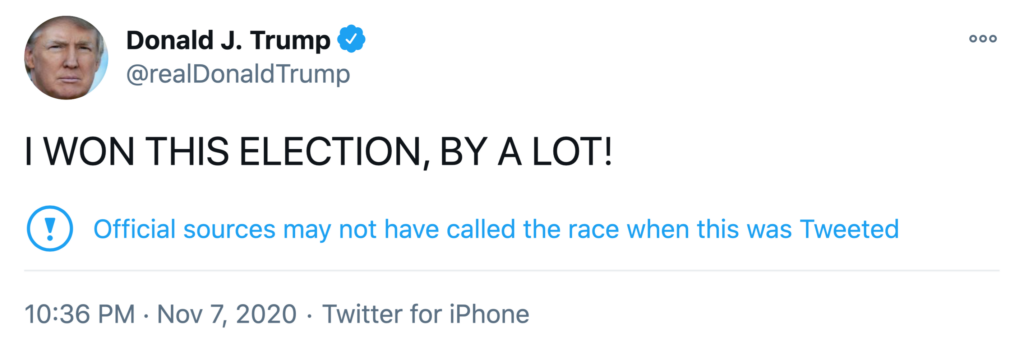
The UN Special Rapporteur on freedom of expression has stated that while the internet has increased the potential for expression, it has also increased the likelihood of harassment, false information, and the chilling effects of data collecting and surveillance. In this way, the internet has not only made it easier for people to speak out; it has also changed the way that speech happens, making societies rethink how to protect and balance freedom of expression in a world where everything is connected.
Should There Be a Ranking of Values and Rights in the Digital Age?
The digital age raises the question of ranking rights and values, as these principles increasingly clash online. Freedom of expression, access to information, privacy rights, and protection from harm are essential, yet the internet often makes it impossible to fully protect one without limiting another. Although this may be the case, there is some evidence to suggest that some form of prioritization is unavoidable.
Cases like Knight Institute v. Trump highlight how crucial it is to have access to speech areas and be shielded from viewpoint discrimination. In that instance, the harm extended beyond merely offensive speech and included the exclusion of users from a public discourse forum. According to Access Now reports, internet shutdowns and surveillance tactics can also effectively silence entire communities, thereby undermining political participation, assembly, and speech. These are just a couple of examples that show why it’s clear that the right to free expression, including the ability to access information and speech, must be very important.
The UN Special Rapporteur also emphasizes the importance of privacy and anonymity as prerequisites for meaningful expression, especially for activists, journalists, and underrepresented groups. People might censor themselves without privacy protections, harming the free exchange of ideas that the First Amendment aims to protect. Additionally, the introduction of AI presents its own set of obstacles in terms of rights and protections. The statement that we are currently living in a digital age does not provide a comprehensive understanding of the current circumstances. In fact, it feels more and more like we live in the “AI age,” where collecting data and using automated systems makes abuse more likely.
All of these examples point to a framework that prioritizes information access and public discourse participation, with privacy protections that allow for free thought and dissent. Freedom of expression remains important, but it cannot be considered absolute when it directly enables harassment, intimidation, or systemic exclusion. In the digital age, it is difficult to say which values we should place above others. Instead, we need to find a balance that takes into account that protecting democracy today means protecting not only speech itself but also the conditions that allow for meaningful expression.
